



Introduction to KFOR
KFOR, or the Kosovo Force, was established in June 1999 following the Kosovo War, as part of a NATO mission aimed at ensuring peace and stability in the region. The inception of KFOR marked a significant milestone in international efforts to address the aftermath of ethnic conflicts and promote security in the Balkans. Initially, KFOR’s primary objective was to enforce the UN Security Council Resolution 1244, aimed at establishing a safe environment for all communities in Kosovo, allowing for the return of displaced persons and facilitating humanitarian assistance.
Over the years, KFOR has played a crucial role in maintaining stability amid a complex political landscape, marked by ethnic tensions and evolving governance structures. The mandate of KFOR as a peacekeeping force encompasses various responsibilities, including the protection of civilians, the safeguarding of cultural and religious sites, and the support of civil and democratic institutions. By fostering a secure environment, KFOR has contributed to the gradual normalization of daily life in Kosovo, permitting the establishment of democratic governance and economic development.
As the situation in Kosovo has evolved, so too has the mission of KFOR. The force transitioned from a robust military presence to a more supportive and advisory role, adapting to changing security needs. This evolution illustrates KFOR’s commitment to flexibility and responsiveness in its operations. Moreover, KFOR collaborates closely with local authorities and international organizations, reflecting a comprehensive approach to peacebuilding and conflict resolution.
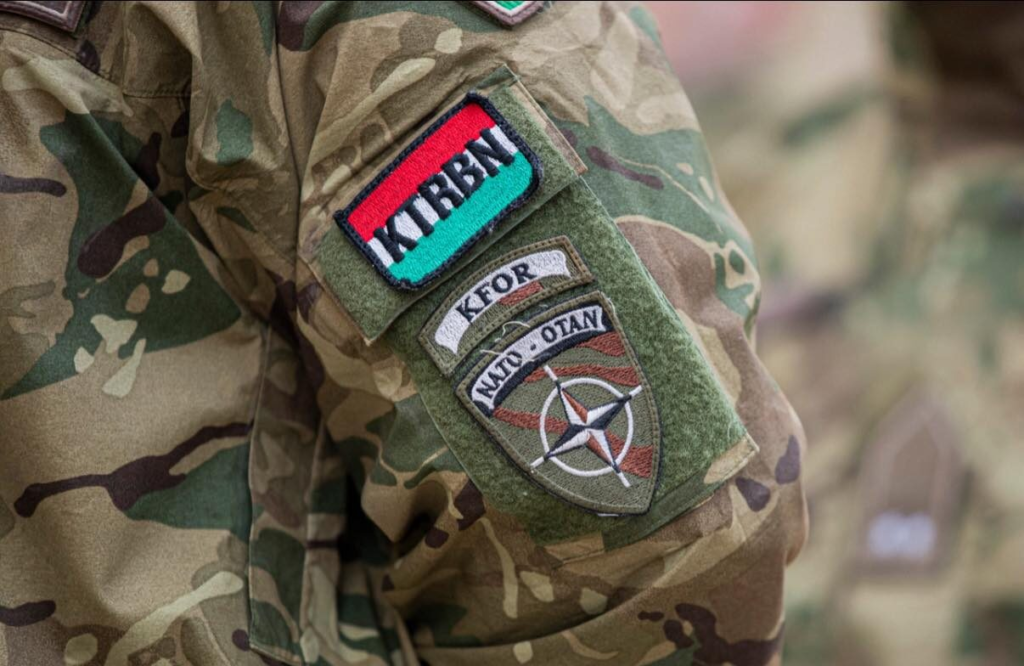
In conclusion, the role of KFOR remains integral in promoting peace and stability in Kosovo. Its presence facilitates a secure environment for growth and reconciliation, contributing significantly to the ongoing efforts towards a peaceful future in the region.
The Role of KFOR in Maintaining Peace and Security
KFOR, or the Kosovo Force, plays a crucial role in maintaining peace and security in Kosovo, a region that has faced significant strife and conflict. Established in 1999, this NATO-led mission aims to create a stable security environment that benefits all communities within the territory. A primary function of KFOR is to ensure that the diverse ethnic groups in Kosovo coexist peacefully, thereby reducing the likelihood of further tensions and conflicts.
One of the significant tasks of KFOR involves facilitating the safe return of displaced persons who were affected by the conflict. By creating secure conditions, KFOR supports the fundamental rights of individuals to return to their original homes, fostering a sense of belonging and community among those who had to flee. This process not only helps in stabilizing the region but also plays a vital role in the psychological and social healing of affected communities.
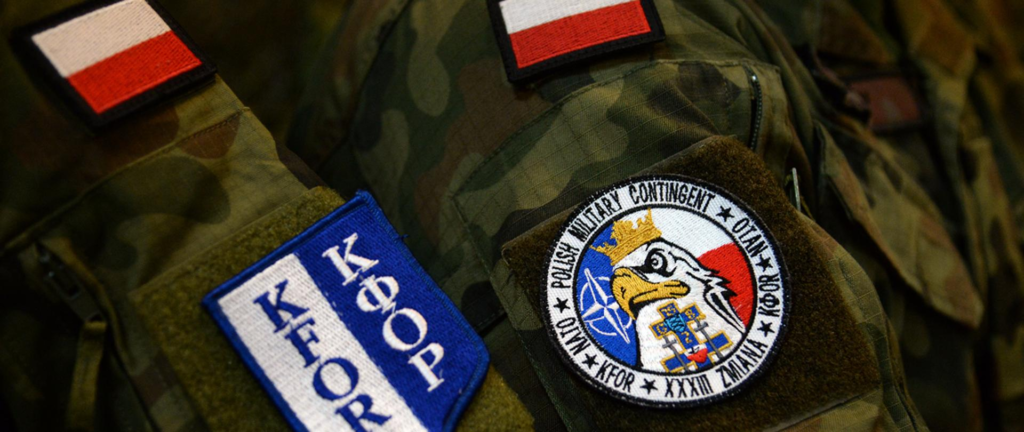
Moreover, KFOR is instrumental in aiding the development and professionalization of local police forces. By providing training, resources, and strategic guidance, KFOR assists in building a competent law enforcement framework that upholds the rule of law and maintains public order. This partnership with local authorities strengthens democratic governance and enhances long-term security prospects.
KFOR has undertaken various operations and missions throughout its existence aimed at reinforcing peace. These operations are characterized by coordination with both local and international stakeholders, including the Kosovo Police and the United Nations. By collaborating with these entities, KFOR ensures that its efforts align with broader efforts toward stability and developmental goals in Kosovo.
Challenges Faced by KFOR
KFOR, the Kosovo Force, has encountered a multitude of challenges since its inception in 1999, all of which significantly impact its ability to maintain peace and stability in the region. One of the primary challenges is the ongoing political tension within Kosovo and between Kosovo and Serbia. The unilateral declaration of independence by Kosovo in 2008 has led to political divisions not only within the country but also in the international community, where certain nations, including Serbia, refuse to recognize Kosovo as an independent state. These geopolitical complexities create a challenging environment in which KFOR must operate, seeking to mediate conflicts while maintaining neutrality.
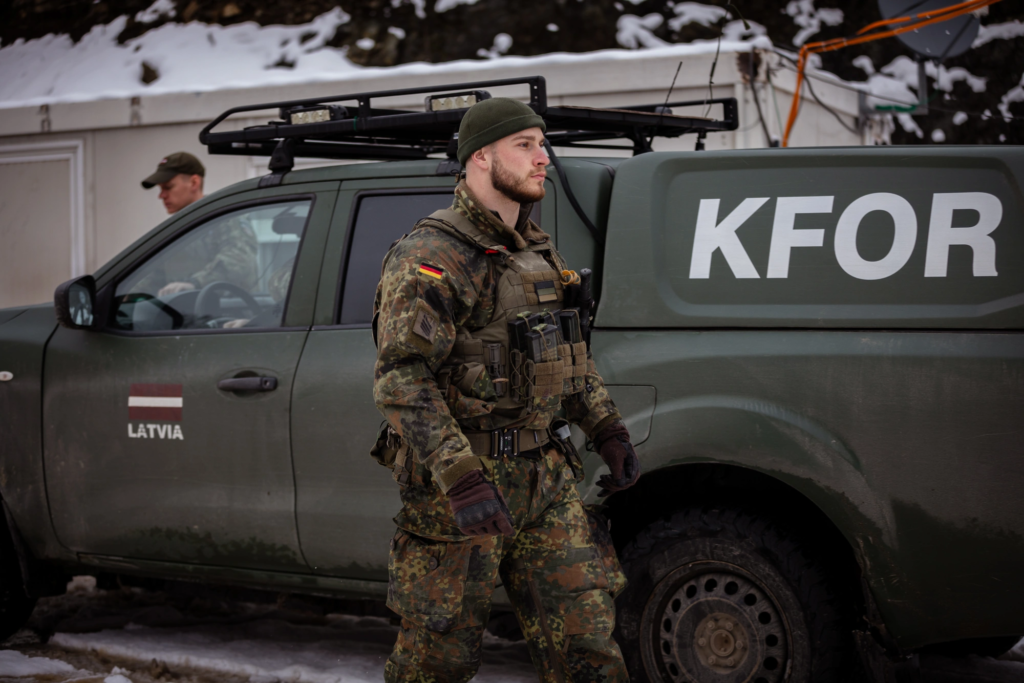
In addition to political tensions, KFOR grapples with ethnic conflicts between various groups in Kosovo, notably between Albanians, Serbs, and other ethnic minorities. These ethnic tensions often result in localized violence and unrest, which KFOR must address swiftly to prevent escalation. KFOR takes on the role of a mediator and peacekeeper, implementing strategies aimed at promoting dialogue and reconciliation among different communities. This aspect of its mission is critical, as many of the underlying issues are deeply rooted in historical grievances and socioeconomic disparities.
Budgetary constraints also pose a significant challenge for KFOR operations. As a multinational force funded by NATO and contributing nations, KF OR’s operational capabilities are often shaped by the fiscal limitations set by member states. These budgetary limits can affect troop deployment levels, logistical support, and overall mission effectiveness. In navigating these financial challenges, KF OR must prioritize resource allocation to ensure core mission elements are adequately addressed while adapting to the evolving socio-political context of the Balkans.
The Future of KFOR: Prospects and Evolution
The future of the Kosovo Force (KF OR) has become a pertinent topic in discussions surrounding international security and stability in the Balkans. As the region faces evolving security threats, KF OR must continuously assess its mission and adapt accordingly. Initially established to ensure safety and security in Kosovo post-conflict, KF OR’s role may shift in response to the changing dynamics of regional geopolitics.
One significant aspect of KF OR’s future might involve recalibrating its mission focus to address new forms of threats that could arise, including organized crime, cyber threats, and social unrest. The NATO-led forces have maintained peace since their inception, yet there remains the question of whether KF OR should continue in its current capacity or evolve to meet these emerging issues. Strengthening partnerships and collaboration with local security forces could prove essential in addressing such challenges effectively.
Furthermore, the importance of international cooperation cannot be overstated. KF OR’s ongoing collaboration with the EU and other stakeholders is vital for establishing a cohesive approach to security in the region. A joint effort is crucial to support Kosovo’s institutions as they build their capabilities, paving the way for a gradual transition of security responsibilities to local authorities. This transition could foster a sense of ownership among the Kosovo population, ultimately enhancing stability.
However, this shift raises questions about how the local authorities will manage the security landscape independently and whether they have the capacity to uphold peace without the support of KF OR. The implications for Kosovo and the broader Balkan region remain significant, as any misstep during this transition could destabilize an otherwise fragile peace.
In conclusion, navigating KF OR’s future necessitates a thorough analysis of its mission, adaptability to new threats, and strengthening international partnerships, ensuring that the progress made in Kosovo is not only sustained but also advanced in a manner that fortifies regional stability.
