


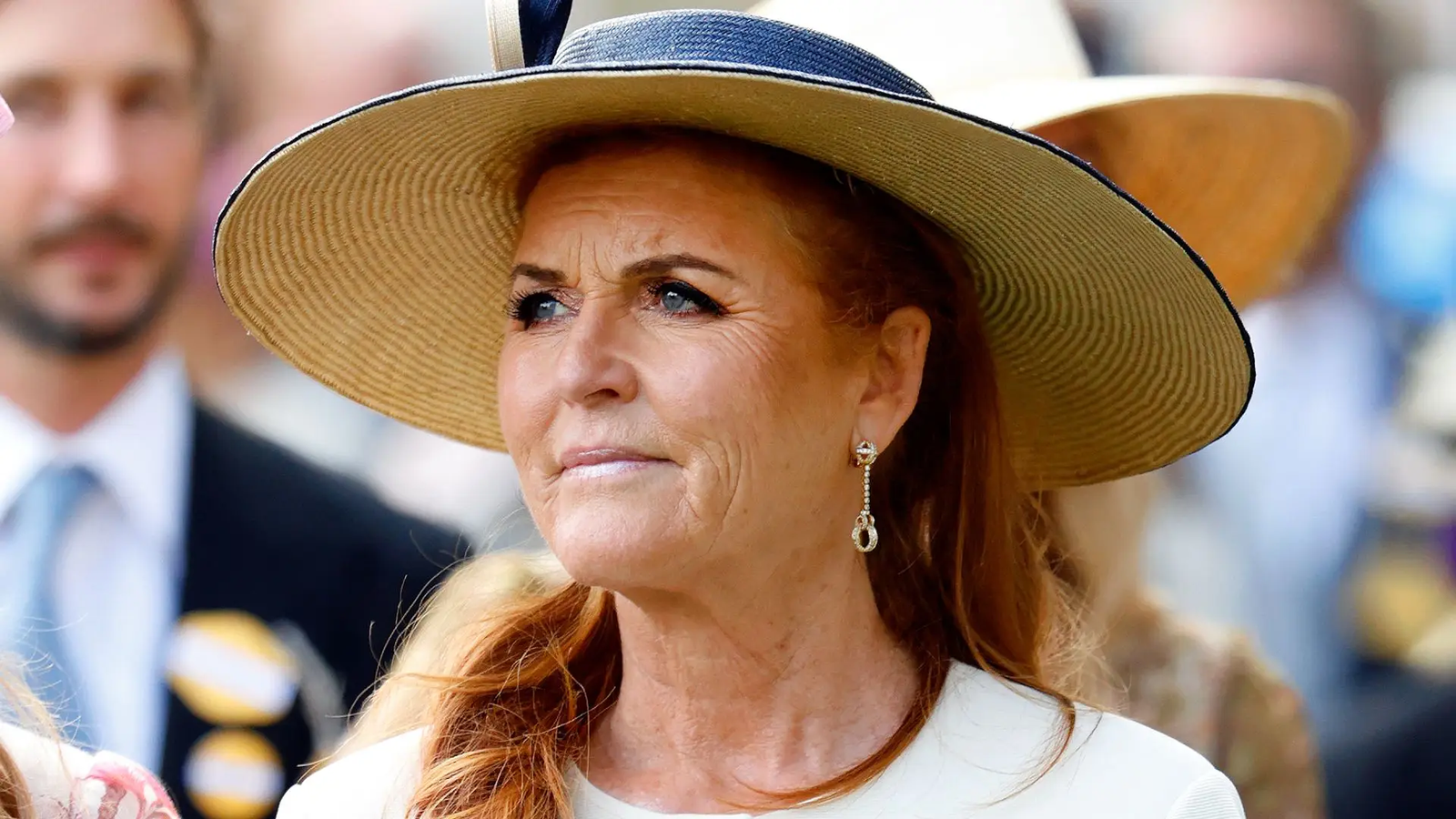
Sarah Ferguson, known to many as Fergie, was born on October 15, 1959, in Paddington, London. She was the second daughter of Major Ronald Ferguson and Susan Wright. Growing up in a family with military connections, Sarah’s upbringing was steeped in the traditions of the British upper-class society. Her parents divorced when she was a teenager, a pivotal moment that contributed to her mature outlook on life.
Sarah attended the prestigious Queen’s Gate School in London, furthering her education at the Northumberland-based boarding school, Denton Hall. The values instilled in her during these formative years emphasized resilience and adaptability, traits that would later define her public persona. It was at an early age that Sarah developed a passion for equestrian sports, which not only provided her with confidence but also visibility in high society.
In 1985, Sarah’s life took a transformative turn when she was introduced to Prince Andrew, the second son of Queen Elizabeth II. Their friendship blossomed quickly, influenced by shared interests and background. This connection laid foundations for a romantic relationship that captivated the public’s attention. Sarah Ferguson’s engagement to Prince Andrew in 1986 marked a significant point in her life, propelling her into royal circles and media scrutiny. The ensuing wedding was a grand affair, broadcasted globally, marking her official entry into the British royal family as the Duchess of York.
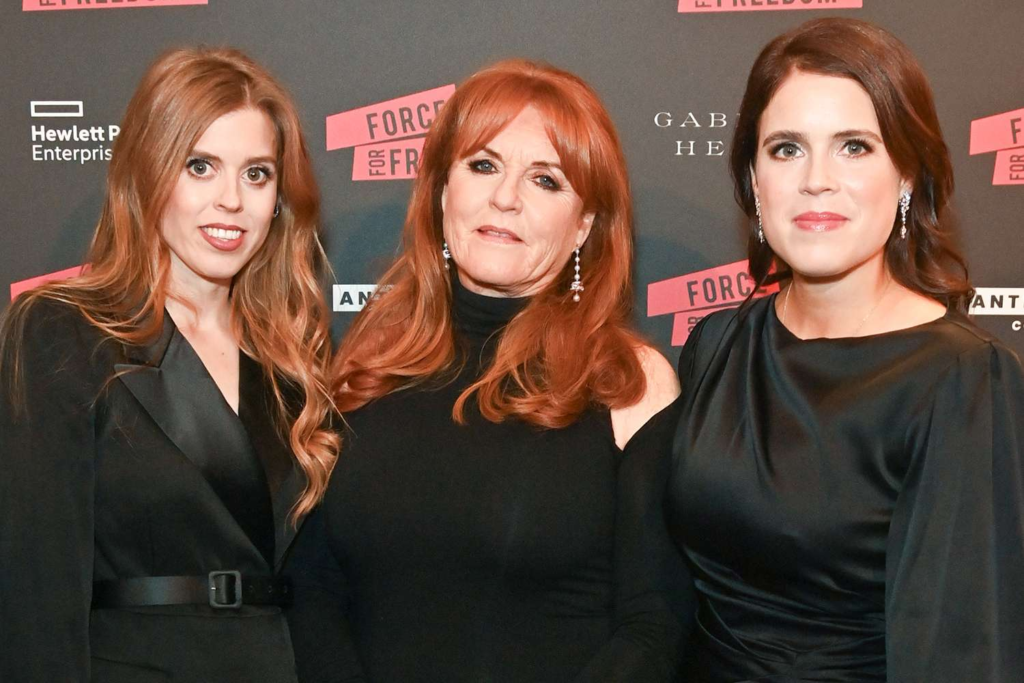
Her early experiences and family dynamics created a unique personality that melded traditional royal expectations with a more modern interpretation of royal life. Through her marriage, Sarah not only adopted her title but also inherited the responsibilities and challenges of royal duties. This duality became a defining factor in her journey, as she navigated her role through both personal trials and public duties.
Marriage and Royal Responsibilities
Sarah Ferguson, known as Fergie, married Prince Andrew, the second son of Queen Elizabeth II, on July 23, 1986. Their marriage was celebrated with great fanfare, symbolizing a modern and romantic royal union. However, the couple’s relationship also faced considerable challenges, influenced by the unique demands and expectations inherent in royal life. As the Duchess of York, Sarah’s commitment to her role extended beyond the ceremonial aspects associated with royal duties.
During her tenure in this role, Sarah Ferguson was actively engaged in various charitable causes and public engagements. Her work encompassed a range of issues, including children’s health and education, as she sought to utilize her position to raise awareness and effect positive change. Her vivacious personality and approach to these causes earned her both admiration and criticism, as public scrutiny of her actions was an ever-present reality.
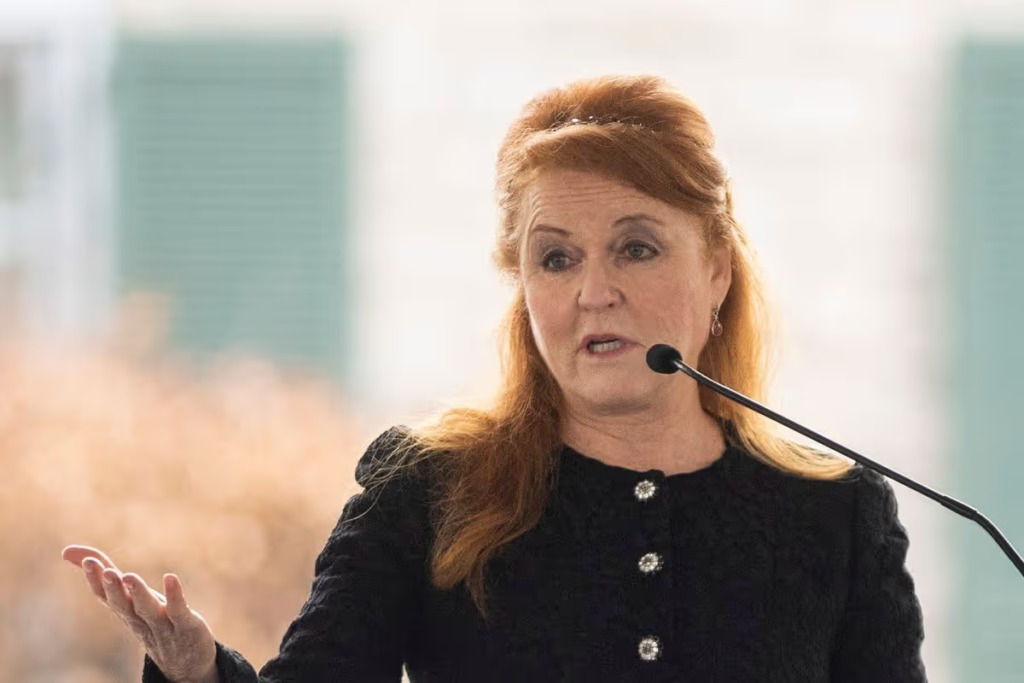
The responsibilities of being a member of the royal family, particularly for Sarah Ferguson, included not only attending public events but also navigating the intricate protocols that govern royal behavior. The public and media expectations placed a considerable burden on her personal life, causing strain in her marriage with Prince Andrew. Over time, this pressure contributed to their separation in 1992 and subsequent divorce in 1996, illustrating that even within the royal sphere, personal challenges can significantly impact one’s public life. Despite these difficulties, Sarah Ferguson has continued to maintain her royal connections and remains a prominent figure within the royal community, demonstrating resilience in the face of adversity.
Ventures and Philanthropic Efforts
Since her divorce from Prince Andrew, Sarah Ferguson has redirected her energy into various business ventures and humanitarian initiatives, establishing herself as a prominent figure in several sectors. One of her notable pursuits includes her work in children’s literature. Sarah, often referred to as Fergie, began her literary journey with the publication of children’s books aimed at promoting positive values and life lessons. This endeavor has not only entertained young readers but also served as a platform for discussing important topics such as friendship, resilience, and learning.
Beyond literature, Sarah Ferguson has passionately advocated for health-related issues, particularly focusing on obesity awareness and mental health support. Her position as a public figure has afforded her the opportunity to raise awareness about the importance of both physical and mental well-being. By collaborating with various health organizations, she has contributed to campaigns that educate the public on healthy living, particularly among children and adolescents. This advocacy is part of her broader commitment to improving societal issues, highlighting the challenges many individuals face.
Additionally, Sarah Ferguson has actively contributed to numerous charitable organizations. Her involvement ranges from supporting initiatives that aim to combat homelessness to championing causes related to children’s rights. Sarah’s philanthropic efforts demonstrate her dedication to leveraging her influence to facilitate positive change. Through her work with organizations like the Children in Crisis charity, she has played a vital role in providing educational opportunities to underprivileged children around the world. Her multifaceted approach to philanthropy showcases her commitment to creating a lasting impact on both a national and international scale.
Public Perception and Media Representation
Throughout her life, Sarah Ferguson, the Duchess of York, has remained a prominent figure in the public eye, characterized by a complex interplay of media representation and public perception. Initially celebrated as a lively, charismatic addition to the British royal family during her marriage to Prince Andrew, Ferguson’s tenure as a royal was also marred by challenges that would shape her public image for years to come. After her royal duties, media scrutiny intensified, often focusing on her personal choices and controversies, leading to mixed reactions from the public.
In the late 1990s and early 2000s, Ferguson faced a series of scandals that impacted her image, including financial difficulties and the infamous “toe-sucking incident,” which prompted widespread media coverage. These events created a narrative that seemed to overshadow her charitable efforts and professional endeavors, complicating the public’s overall perception of her. The sensationalism surrounding her often highlighted her vulnerabilities, leading to polarized views. Nevertheless, over time, Sarah Ferguson has strategically worked to redefine her public persona.
In more recent years, Ferguson has actively sought to reshape her image by emphasizing her charitable work and entrepreneurial ventures, such as writing children’s books and appearing on various media platforms. She frequently engages with the public through social media, allowing her to control the narrative and showcase her personality beyond the controversies. In interviews, she has voiced her reflections on fame, acknowledging both the allure and the burdens that come with it. Ultimately, her journey illustrates a significant transformation, from a figure ensnared in the royal spotlight to a resilient individual striving to contribute positively to society.
