


Introduction to the Unsent Project
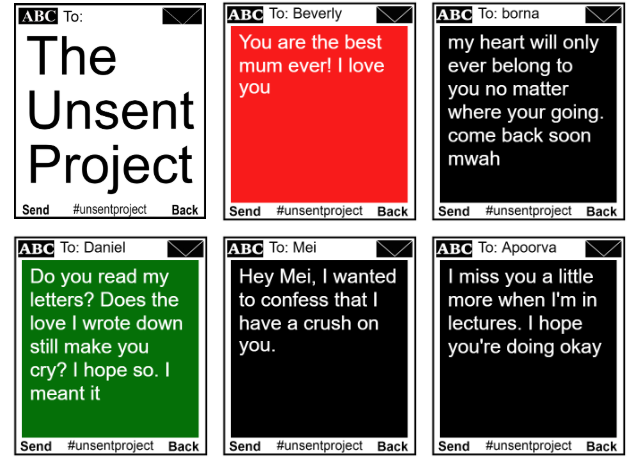
The Unsent Project is a transformative initiative that offers individuals a unique platform to express their innermost feelings and thoughts through the medium of unsent letters. The project was established with the purpose of providing emotional release and allowing participants to articulate sentiments that may otherwise remain private and unexpressed. In a world where communication often adheres to social norms and expectations, the Unsent Project invites individuals to break free from these constraints and engage in honest introspection.
At the core of the Unsent Project lies the idea that writing can be a powerful form of therapy. By crafting letters that will never be sent, participants can explore their emotions honestly, addressing topics such as love, regret, anger, or longing. This act of writing becomes an emotional outlet, enabling individuals to confront and process feelings that may be too difficult to share directly. The anonymity of the project also fosters a sense of safety, encouraging participants to explore even the most vulnerable aspects of their experiences without fear of judgment or reprisal.
The resonance of the Unsent Project among its participants speaks volumes about the human need for expression and connection. Many people find solace in the notion that they are not alone in their thoughts and feelings. The letters shared in this project often reflect universal emotions, allowing individuals to relate to one another through their shared experiences. Ultimately, the Unsent Project serves as a reminder of the power of words, offering a therapeutic means of self-discovery and emotional release for those who choose to engage with it. Through this initiative, unsent letters become a bridge for connection and understanding, both for the writer and those who may later read their words.
How the Unsent Project Works
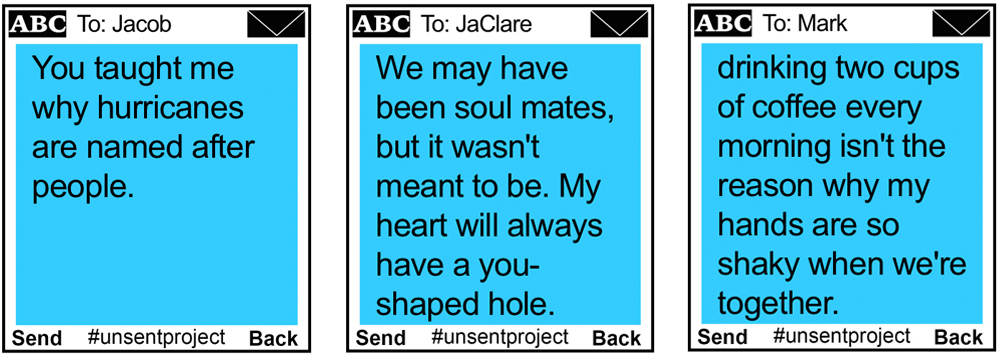
The Unsent Project invites individuals to share their innermost thoughts through the submission of letters that they have never sent. These letters can encapsulate a wide range of emotions, from love and longing to grief and regret, reflecting experiences that resonate deeply with many. Participants engage by crafting their unsent letters and submitting them via the project’s official website. Adhering to specific guidelines ensures that the content remains appropriate and respectful, facilitating an inclusive environment for all contributors.
To participate, users must comply with the submission criteria which include length limitations, thematic focus, and the requirement for anonymity. This anonymity is crucial, as it allows writers to express themselves candidly without fear of judgment or repercussion. By masking their identities, contributors can delve into sensitive topics that might otherwise remain unspoken. This element of privacy encourages openness and fosters a supportive community where individuals can share their truths.
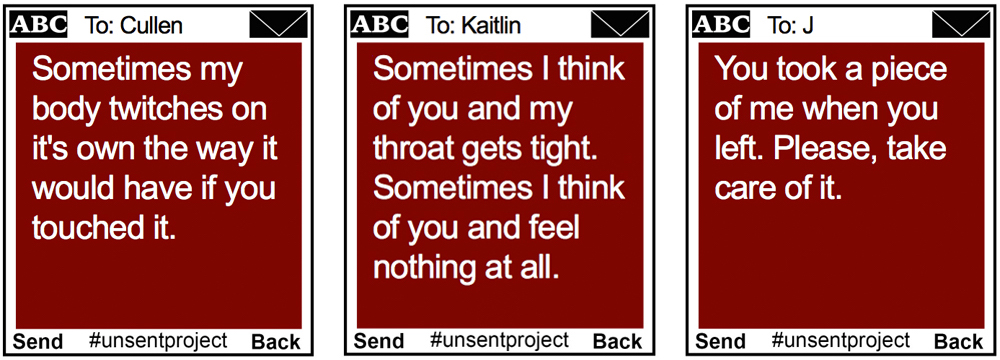
Once submitted, these letters are carefully curated and showcased on the project’s platform. Each piece is often accompanied by artwork or a visual element, enhancing its impact and making the experience more immersive for the audience. Social media plays a vital role in amplifying the reach of the Unsent Project, allowing for wider dissemination of the letters and encouraging further engagement. The community actively interacts with the content through likes, shares, and thoughtful comments, sparking discussions that emphasize shared experiences and understanding.
Through this innovative approach, the Unsent Project stands as a testament to the transformative power of expressing untold emotions. The letters not only serve as a means of catharsis for the writers but also create a collective tapestry of human experiences that unites individuals across different backgrounds.
The Impact of the Unsent Project on Personal Expression
The Unsent Project has emerged as a powerful medium for individuals to express their emotions and experiences through the format of unsent letters. This initiative allows participants to articulate feelings that they may otherwise find difficult to communicate directly. These unsent letters often contain deep-seated emotions such as regret, love, anger, and aspiration. By sharing these letters with a wider community, individuals not only confront their own feelings but also foster an environment of empathy and understanding.
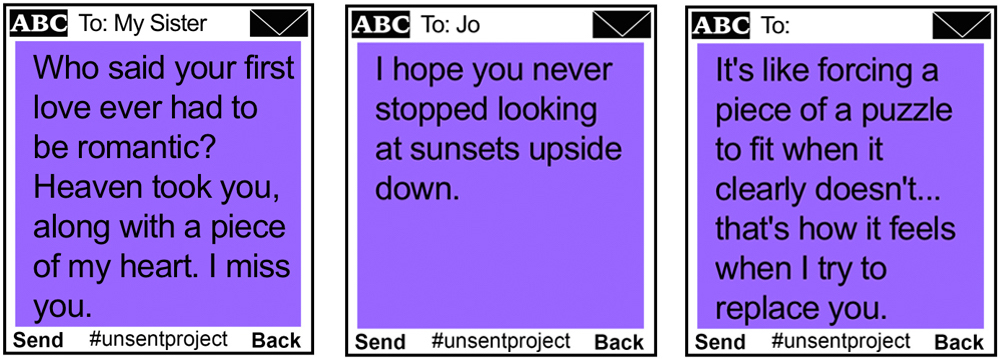
The psychological impact of the Unsent Project is significant. Many participants have reported therapeutic benefits from writing and sharing their letters. The act of putting pen to paper, even when the recipient will never see the words, can serve as a cathartic experience. It creates a safe space for vulnerability, encouraging individuals to be honest about their struggles and triumphs. As people connect over similar experiences, they often find solace in knowing they are not alone in their emotions.
Testimonies from participants illustrate the profound effects of the Unsent Project on personal expression. For instance, several individuals have candidly shared how writing unsent letters has facilitated healing from past traumas and complicated relationships. One participant described the project as a “lifeline,” where words became a bridge to understanding themselves and their feelings better. Furthermore, by witnessing the emotional journeys of others, community members cultivate a heightened sense of authenticity, which is crucial for personal growth.
In this way, the Unsent Project not only serves as a platform for expressing unsent sentiments but also plays a crucial role in building connections among participants. The shared experience of vulnerability mitigates feelings of isolation, uniting individuals through their unique yet relatable stories.
Getting Involved with the Unsent Project
The Unsent Project offers various avenues for individuals to engage with its mission of exploring unexpressed emotions. Participation can take many forms, allowing individuals to connect with their deepest feelings while contributing to a growing community dedicated to emotional expression. One of the primary ways to get involved is by submitting your own unsent letters. These letters can express emotions ranging from love and gratitude to regret and sorrow. The process is straightforward; simply visit the project’s website, where you will find a submission portal. Here, you can share your thoughts anonymously or with your name, depending on your comfort level.
In addition to submission, there are multiple ways to support the project and its participants. Engaging with letters published by others can foster empathy and connection, creating a shared understanding of human emotions. Readers are encouraged to comment on submissions and provide supportive feedback, thus enhancing the experience for both writers and readers. Following the Unsent Project on social media platforms such as Instagram, Twitter, and Facebook is another effective method for staying updated on ongoing events, workshops, and community discussions.
The project frequently hosts events aimed at encouraging community engagement, such as letter-writing workshops and public readings. These events serve as spaces for individuals to gather, share their stories, and learn more about the significance of voicing unsent sentiments. By participating in these events, you not only contribute your unique voice but also support a culture that values emotional expression.
In conclusion, the Unsent Project invites everyone to join this meaningful journey. Whether through submitting your own letters, engaging with others’ stories, or attending events, your involvement helps raise awareness about the importance of unexpressed emotions and fosters a supportive community.
