


Early Life and Career Beginnings
Estelle Getty was born on July 25, 1923, in New York City, to first-generation immigrant parents from Poland. Growing up in a Jewish household in the vibrant neighborhoods of Manhattan, Getty was immersed in a rich cultural heritage that would later influence her comedic style and acting prowess. Her formative years were marked by the struggles and triumphs common to many families of that era, instilling resilience and a strong work ethic in her from a young age.
Getty’s interest in acting emerged during her teenage years, spurred by her love for the theater. Attending the High School of Performing Arts in New York, she was exposed to a broad range of artistic influences that would shape her identity as a performer. Her early experiences in community theater began to pave the way for her future career in the entertainment industry. During this period, Estelle Getty honed her craft, taking on diverse roles that revealed her comedic timing and dramatic abilities.
Following her graduation, Getty faced numerous obstacles in the competitive world of show business. She worked various jobs, including a stint as a dental assistant, but her passion for acting never wavered. Her breakthrough came when, in the mid-1970s, she performed at the renowned Off-Broadway theater scene, earning praise from critics and gaining notoriety in the community. It was here that Estelle Getty’s distinctive voice and spirited personality began to attract attention and solidify her reputation as a talented actress.
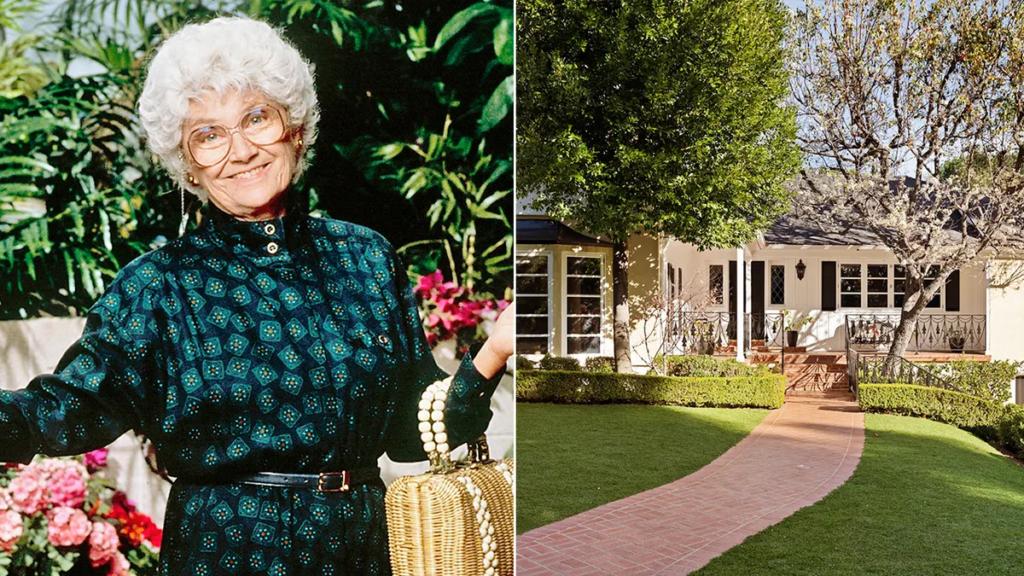
These early experiences not only built a foundation for her career but also played a significant role in shaping her identity as a performer. Her commitment to her craft, coupled with her rich cultural background, ultimately set the stage for Estelle Getty’s rise to fame as one of the most beloved characters in television history.
Breakthrough Role: Sophia Petrillo
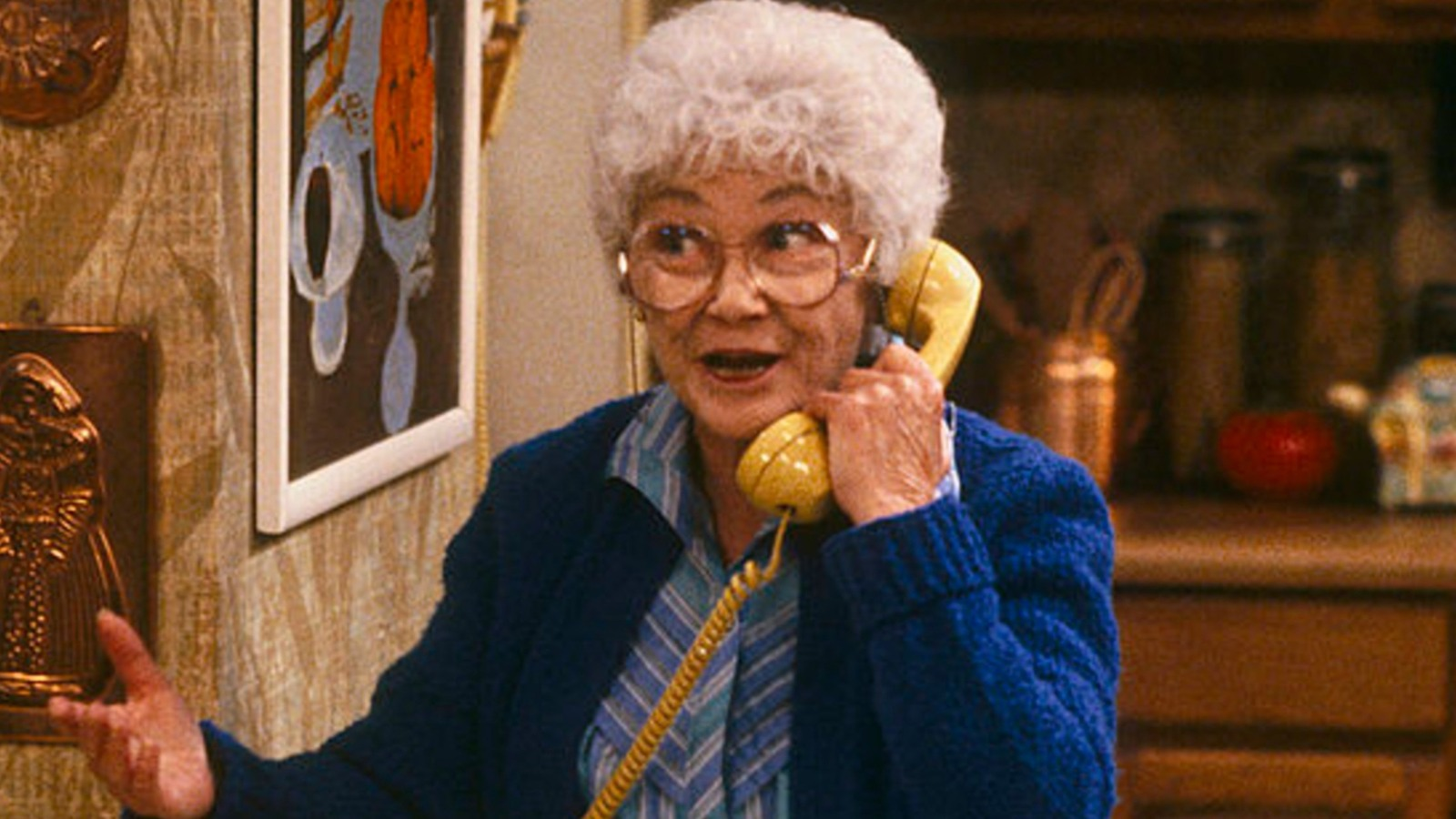
Estelle Getty achieved widespread recognition and critical acclaim with her portrayal of Sophia Petrillo in the iconic sitcom The Golden Girls. Debuting on television in 1985, the character of Sophia, an outspoken and clever elderly woman, quickly endearing herself to audiences. Getty’s ability to embody the spirit of her character, infusing her with both humor and poignant emotional depth, played a significant role in the series’ runaway success.
Sophia, often identified by her quick wit and sarcasm, became known for her memorable one-liners and humorous retorts. Estelle Getty’s comedic timing and delivery were impeccable, making Sophia a source of entertainment and wisdom within the group of four friends. The show’s mix of comedy with real-life issues resonated with viewers, allowing Sophia to become a beloved matriarch figure who provided both laughter and heartfelt moments.
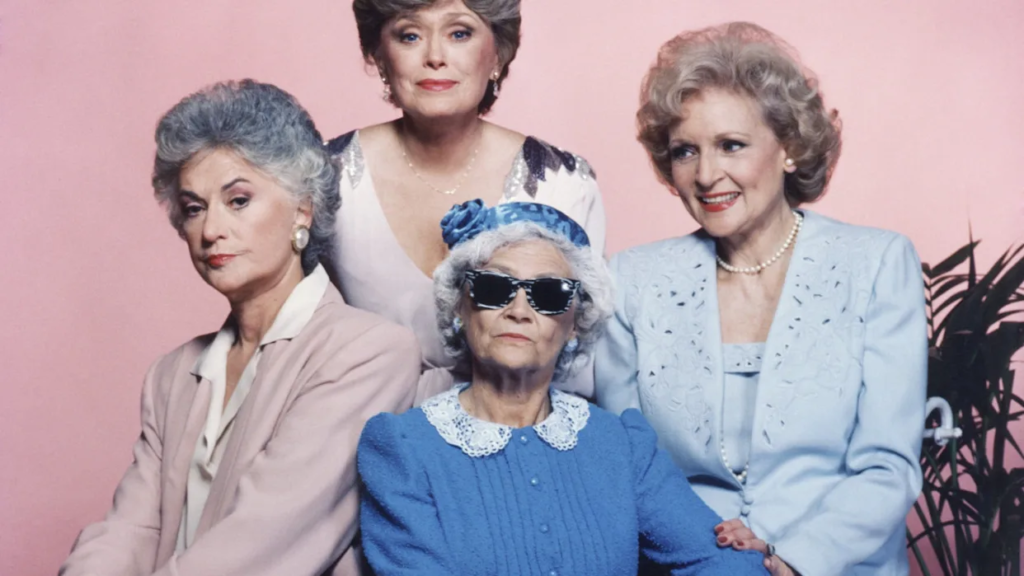
The character not only showcased Getty’s talent but also represented a critical turning point in portraying older women in the media. At a time when many actresses faced typecasting based on age, Getty’s role challenged stereotypes and reshaped the landscape for women in television. Her performance earned her a primetime Emmy Award, and she was nominated multiple times, solidifying her position as a respected actress in the industry.
Numerous iconic scenes further illustrate the strength of Estelle Getty’s performance. Whether it was her humorous history with the other characters or heartfelt conversations with her daughter, Dorothy, played by Bea Arthur, Sophia brought depth to the show that far outweighed its comedic elements. In essence, Estelle Getty’s legacy through the character of Sophia Petrillo remains influential in elevating the representation of older women in entertainment, making her performance a timeless reference in television history.
Beyond ‘The Golden Girls’: Diverse Roles and Achievements
Estelle Getty‘s contributions to the entertainment industry extend well beyond her iconic role as Sophia Petrillo in the widely acclaimed series, ‘The Golden Girls.’ Her talent was evident in various mediums, including film, theater, and television, showcasing her remarkable versatility as an actress. Getty initially made her mark in theater, where she honed her craft and gained considerable recognition. In the 1970s, she appeared in a series of stage productions, including the acclaimed Funny Girl and The Actress, which helped establish her as a talented performer.
Her transition to television brought even more opportunities. Before landing her famous role on ‘The Golden Girls,’ Getty earned her place in the hearts of audiences with performances in various television series, including guest appearances on shows like Maude and A Streetcar Named Desire. Her compelling persona and comedic timing paved the way for a successful career, culminating in her legendary portrayal of Sophia, which won her an Emmy Award for Outstanding Supporting Actress in a Comedy Series.
In addition to her television success, Estelle Getty made notable appearances in films that further highlighted her talent. Some of her memorable performances include roles in Mask and Stuart Little, which showcased her ability to transition from comedic to dramatic roles effectively. Throughout her career, Getty accumulated several accolades, including Golden Globe nominations and a star on the Hollywood Walk of Fame, a testament to her lasting impact on the entertainment industry.
Beyond her awards and recognitions, Estelle Getty was widely respected for her work ethic and dedication to her craft. She collaborated with several prominent figures in Hollywood, and her influence extended to younger generations of actors who looked to her as a role model. Her body of work illustrates a life dedicated to performance and an unparalleled resilience that defined her career.
Legacy and Influence in Popular Culture
Estelle Getty‘s impact on popular culture is profound and multifaceted, characterized by her groundbreaking roles that challenged stereotypes surrounding older women in media. Best known for her portrayal of Sophia Petrillo on the iconic television series “The Golden Girls,” Getty brought to life a character that was not only humorous but also fiercely independent and unapologetically candid. This role redefined how aging women were depicted on screen, presenting them as vital, multi-dimensional individuals rather than mere caricatures often relegated to supporting roles.
Her performances left an indelible mark on both audiences and fellow actors, promoting a broader acceptance of older actors in leading roles. Getty’s ability to tackle complex themes of love, loss, and friendship through the lens of her character resonated deeply, bridging generational gaps and fostering empathy among viewers. Her work set a precedent for subsequent sitcoms and dramas to feature older characters with depth, inviting a transformation in narratives that celebrate the rich lives of seniors rather than marginalizing them.
Furthermore, Estelle Getty’s influence extends beyond her acclaimed role in “The Golden Girls.” She inspired a legion of actors and comedians, proving that talent knows no age limits. Many younger entertainers cite her as a significant influence, celebrating her bold comedy and emotional authenticity. Her legacy persists in today’s media landscape, where we continue to see dynamic roles for older women, indicating a societal shift towards valuing their stories and experiences. As new generations of writers and creators draw inspiration from Estelle Getty’s original approach to her craft, her spirit continues to thrive in contemporary culture, paving the way for a more inclusive representation of all ages in entertainment.
