


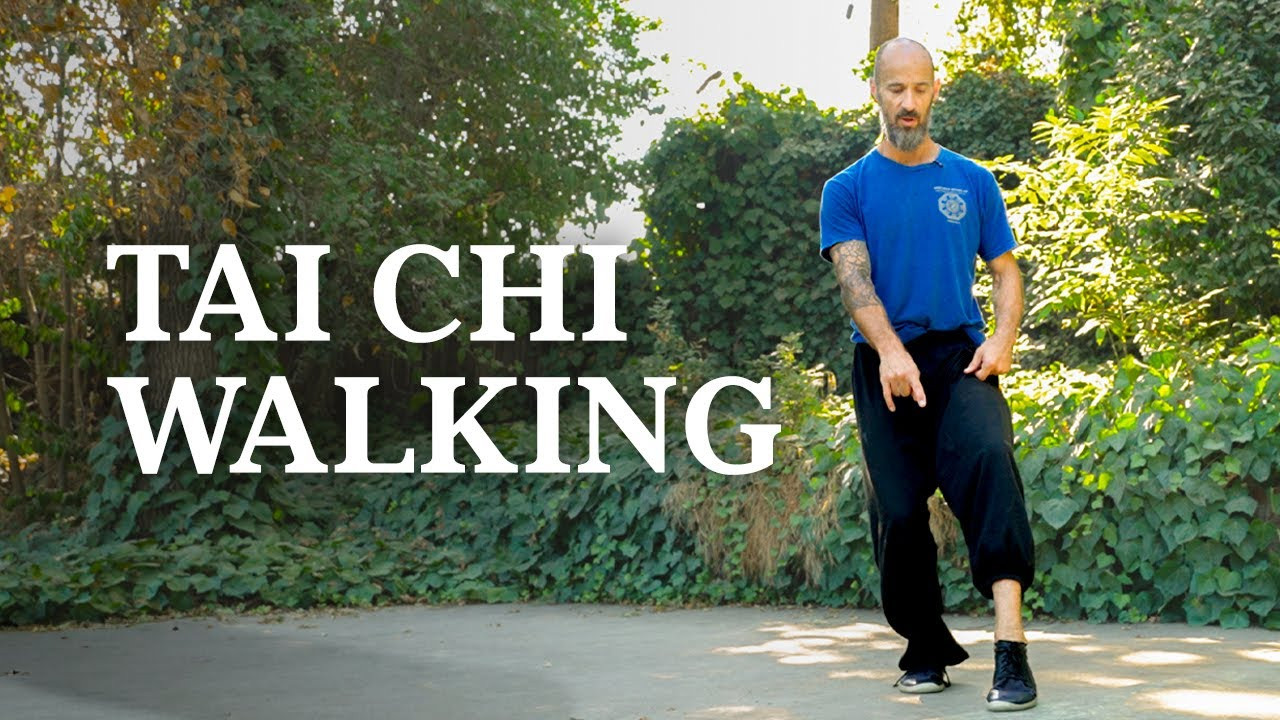
What is Tai Chi Walking?
Tai Chi walking is a unique practice that blends the principles of Tai Chi with walking, offering practitioners a form of moving meditation. While traditional Tai Chi emphasizes slow and fluid postures performed in a stationary setting, Tai Chi walking incorporates these philosophies into the act of walking, thus promoting both physical movement and mental focus. This practice has its origins in ancient Chinese martial arts, where it served not only as a means of self-defense but also as a tool for enhancing mental wellbeing through meditative movement.
The core principles of Tai Chi walking include balance, coordination, and the synchronization of breath with motion. Practitioners take deliberate, measured steps while consciously aligning their breathing with each movement. This emphasis on slow and thoughtful actions encourages a heightened awareness of one’s body and surroundings, fostering a mindful state that transcends mere physical exertion. Unlike traditional Tai Chi, where the movements can be complex and varied, Tai Chi walking simplifies the practice into a linear flow, making it accessible to people of all ages and physical abilities.
Moreover, Tai Chi walking differentiates itself by encouraging practitioners to cultivate a connection with the earth beneath their feet. As each step is taken, one can feel the sensations of stability and grounding, which further enhances the meditative experience. This connection fosters not just physical balance but emotional and mental steadiness as well. Thus, Tai Chi walking provides a calming antidote to the fast-paced nature of modern life, inviting individuals to embrace the present moment through each mindful step they take.
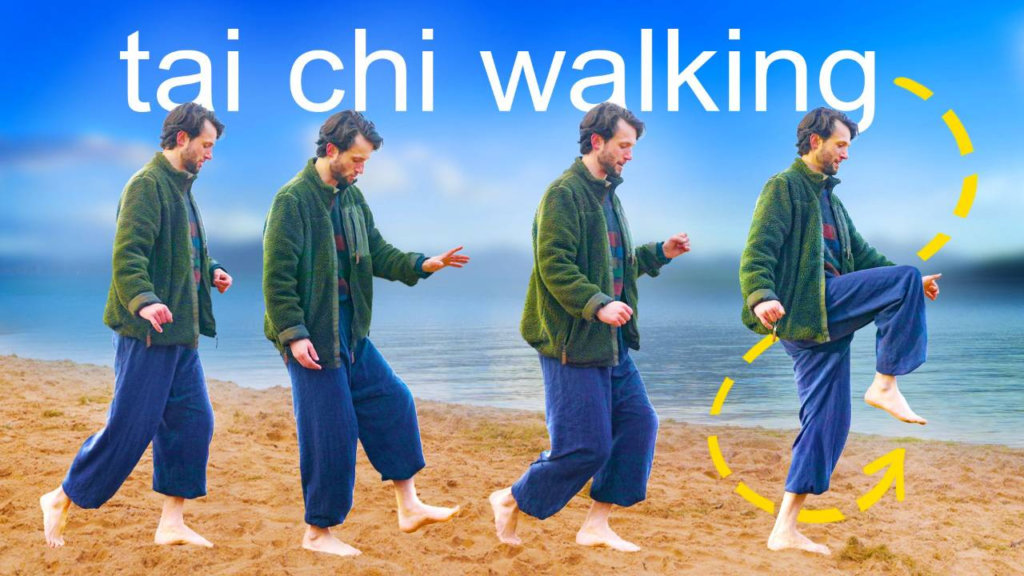
Benefits of Tai Chi Walking
Tai Chi walking, a discipline that combines the principles of Tai Chi with the rhythmic act of walking, provides an array of benefits for both physical and mental well-being. One of the primary advantages associated with this practice is its ability to enhance balance. As participants perform these gentle movements, they engage their core muscles, which are essential for maintaining stability. Improved balance can significantly reduce the risk of falls, particularly in older adults.
Furthermore, Tai Chi walking promotes flexibility and strength throughout the body. The slow, deliberate movements encourage stretching and lengthening of muscles, which can lead to increased flexibility over time. This increased range of motion can be particularly beneficial for individuals with joint concerns, as it helps alleviate stiffness and enhance overall mobility. Additionally, the consistent practice of Tai Chi walking builds strength, particularly in the lower body, contributing to better overall physical fitness.
Beyond the physical advantages, Tai Chi walking is also known for its profound mental and emotional benefits. Researchers have found that this practice can lead to reduced anxiety and stress, largely due to its focus on mindfulness. By concentrating on the synchronization of movement and breath, practitioners cultivate a state of relaxation and presence, which can have lasting effects on mental health. Studies, such as those published in the Journal of Alternative and Complementary Medicine, indicate that regular engagement in Tai Chi can lead to lower levels of stress and improved emotional resilience.
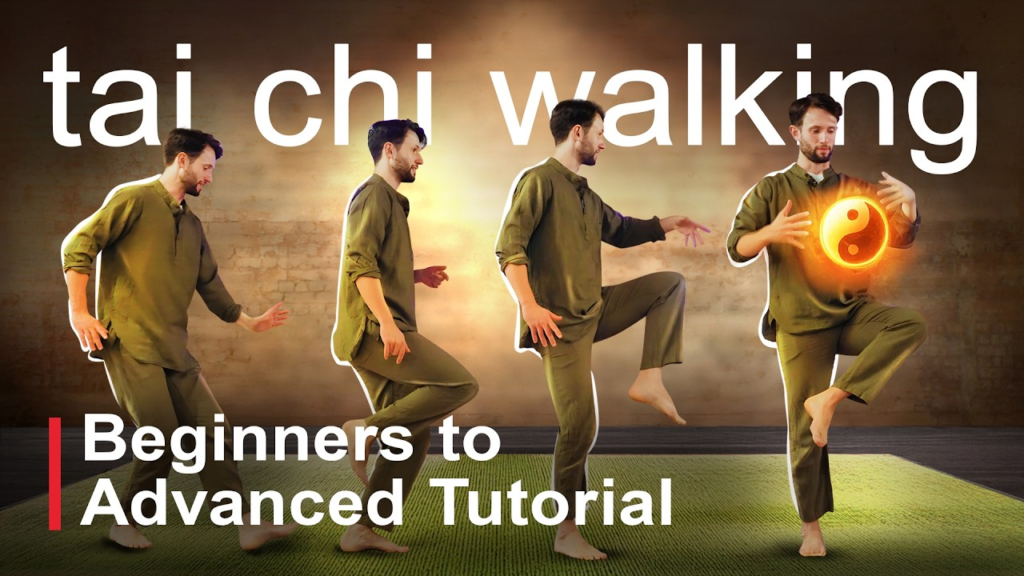
Moreover, Tai Chi walking has been shown to benefit cardiovascular health, offering a low-impact exercise option that promotes heart health while reducing blood pressure. The combination of physical movement, deep breathing, and a meditative mindset fosters an overall sense of well-being, making Tai Chi walking a holistic practice suitable for individuals of all ages.
Getting Started with Tai Chi Walking
Beginning your journey into tai chi walking can be both an enriching and tranquil experience. The first step is to choose a suitable location that promotes calmness and relaxation. Parks, gardens, or quiet streets can provide a peaceful environment, allowing you to focus on the rhythm of your breath and movements.
Proper posture is essential when practicing tai chi walking. Stand upright with your feet shoulder-width apart, distributing your weight evenly. Your arms should hang naturally by your sides or be gently extended, whichever feels more comfortable. Keeping your knees slightly bent allows for fluid movements, while enabling you to maintain balance and stability. Engage your core to support your posture and enhance your overall body awareness.
As you begin walking, consider the tai chi technique of moving with intention. Start slowly, allowing your foot to touch the ground gently. Shift your weight from one foot to the other, maintaining a continuous flow that synchronizes with your breathing. This process can cultivate a feeling of groundedness and calm. A useful technique involves visualizing your breath flowing down through your feet into the ground. This connection not only offers a sensation of stability but also aligns your movements with a meditative practice.
Integrating tai chi breathing exercises into your walks is also beneficial. Inhale deeply through your nose, allowing your abdomen to expand, and then exhale gradually through your mouth. This practice not only enhances your physical endurance but also induces a relaxing state of mind. Furthermore, focus and mindfulness during your walks are crucial; pay attention to the sights, sounds, and sensations around you. By remaining present in the moment, you can deepen your connection with your body and the world around you.
Incorporating Tai Chi Walking into Your Lifestyle
Integrating Tai Chi walking into your daily routine can be both a fulfilling and beneficial practice. One effective approach is to designate specific times during the week dedicated solely to your Tai Chi walking sessions. Setting these appointments can ensure you allocate uninterrupted time to cultivate mindfulness and enhance your physical health. Consider starting with shorter sessions, gradually increasing the duration as your comfort with the practice grows.
Joining a community class or group can also enhance your experience of Tai Chi walking. Engaging with others not only offers motivation but also allows for social interaction, which can enrich your practice. Local community centers, gyms, or even parks frequently offer classes tailored for varying skill levels. Participation in such settings fosters a sense of accountability and provides an opportunity to learn from experienced practitioners.
Incorporating Tai Chi walking with other forms of exercise can create a well-rounded fitness routine. For example, alternating between Tai Chi walking and activities like yoga or swimming can improve overall flexibility, strength, and balance. Additionally, combining a brisk walk with Tai Chi movements introduces variety and keeps monotony at bay. Tailor your routine to what complements your fitness goals, ensuring you remain not only engaged but also motivated.
Tracking your progress is essential to maintain motivation. Keeping a journal can help you log the frequency of your Tai Chi walking sessions, the duration, and even personal reflections on your state of mind before and after each practice. By noting improvements in balance, posture, and mental clarity, you’ll be reminded of the positive impacts of this ancient practice, reinforcing your commitment to it.
