


The Science Behind Hazel Eyes
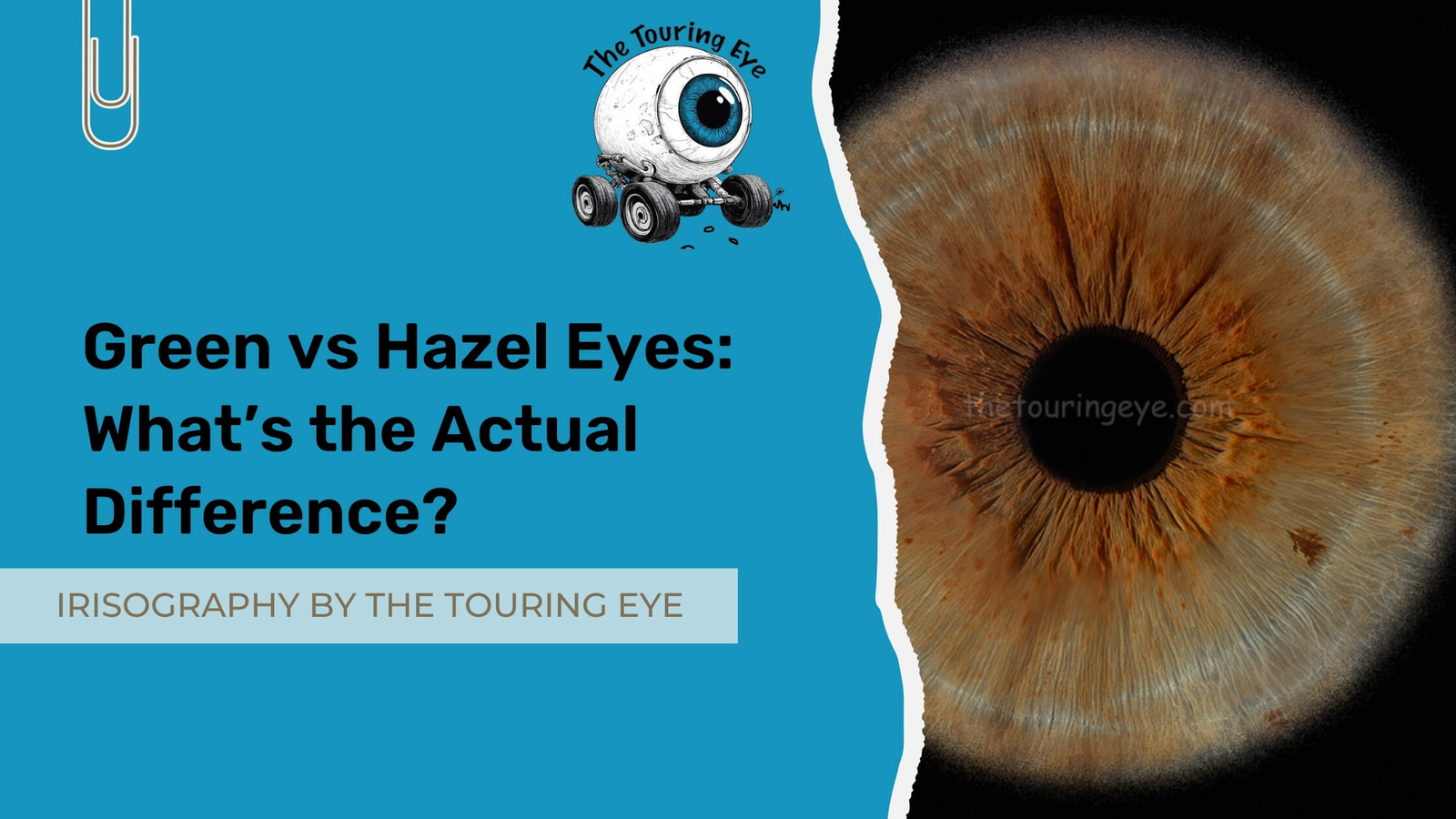
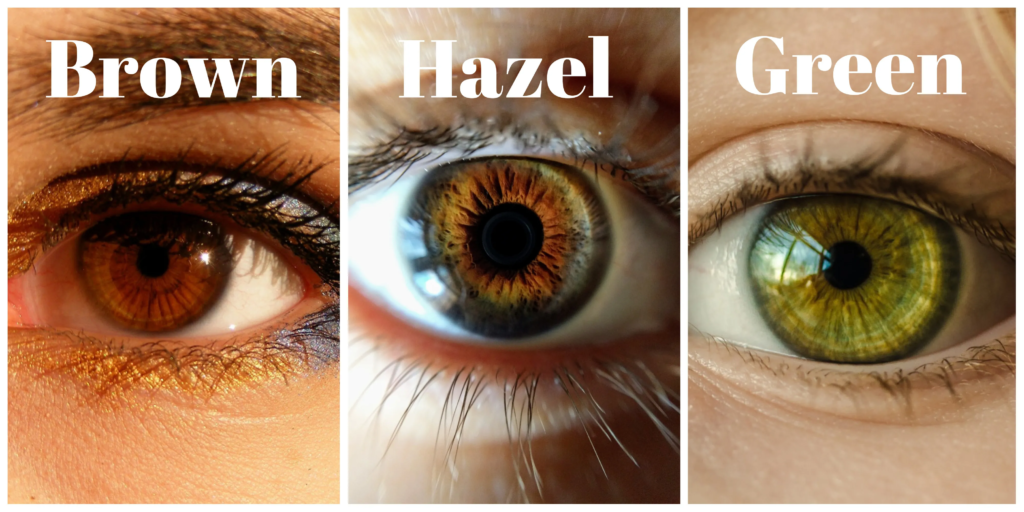
Hazel eyes are a captivating blend of colors, often showcasing shades of green, brown, and gold. This unique appearance is primarily determined by genetic factors, particularly the interplay of multiple pigments within the iris. Unlike other eye colors, hazel eyes are characterized by their ability to exhibit a variety of hues depending on the lighting conditions and the clothing worn by the individual, which can alter their perceived color. The genetic basis for this trait lies in the presence of melanin, which is the pigment responsible for the coloration of human features such as skin, hair, and eyes.
Individuals with hazel eyes typically have a moderate level of melanin, which gives rise to the various shades that can be seen. The combination of brown and green pigments in the iris leads to the distinctive appearance of hazel eyes. Moreover, the presence of Rayleigh scattering—a phenomenon where shorter wavelengths of light scatter more than longer wavelengths—can also contribute to the way hazel eyes reflect different hues under various lighting conditions. For instance, hazel eyes may appear more golden or green in bright sunlight and more brown in dim light.
This ability to change color makes hazel eyes particularly intriguing. The perception of color is influenced by environmental factors such as the presence of certain colors nearby, as well as emotional states which can cause pupils to dilate and subsequently alter the light entering the eyes. As a result, hazel eyes can exhibit an almost chameleon-like quality, often causing people to notice them in diverse settings. In addition to their visual appeal, the biological mechanisms behind these fluctuations also showcase the complexities of human genetics and the varied expressions of eye color that exist in the population.
Cultural Significance and Perceptions
Hazel eyes, a striking combination of green, brown, and gold pigments, have long been the subject of fascination in various cultures. This unique eye color is often associated with different meanings and symbolism, reflecting the cultural perceptions that surround them. In Western traditions, hazel eyes are frequently linked to mystery and intrigue. The unpredictable shifts in their hue can evoke a sense of wonder, leading to historical references in literature and poetry that depict individuals with hazel eyes in a romantic or enigmatic light.
In ancient times, while many cultures revered deep brown or bright blue eyes for their clarity and intensity, hazel eyes were sometimes viewed with suspicion or as a sign of unpredictability. For instance, in some folktales, individuals with this eye color were believed to possess magical qualities or were thought to be connected with nature’s whims. In contrast, modern perceptions have shifted significantly, and hazel eyes are celebrated as unique and alluring. Beauty trends in contemporary society often highlight celebrities and public figures with hazel eyes, showcasing their ability to captivate audiences.
Current beauty standards tend to appreciate the individuality of hazel eyes, equating them with a sense of sophistication and charm. Social attitudes have evolved to embrace diversity, with hazel-eyed individuals often regarded as possessing a rare beauty that stands out in a crowd. This appreciation is reflected in the increasing popularity of cosmetic products that enhance the rich hues found in hazel eyes, underscoring their desirability in today’s market. Overall, the cultural significance of hazel eyes illustrates the fluid nature of beauty standards and the powerful influence of societal perceptions on personal identity.
Famous Personalities with Hazel Eyes
Throughout history, numerous prominent figures have captivated audiences not only with their talents but also with the striking beauty of their hazel eyes. This unique eye color, characterized by a blend of green, brown, and gold, has been a notable feature in various individuals spanning diverse fields, including film, politics, and sports.
One such individual is the acclaimed actress and producer, Jessica Biel. Known for her roles in both film and television, Biel’s hazel eyes contribute significantly to her allure and screen presence. The depth and warmth of her eye color have often been noted in reviews, adding to her ability to convey a wide range of emotions on screen.
In the realm of music, John Legend, with his signature hazel eyes, has not only achieved fame as a singer but also gained recognition as a songwriter and philanthropist. His engaging gaze has played a part in his public persona, drawing fans to his performances and helping to create a deeper connection with his audience.
Moreover, on the sports front, the charismatic Cristiano Ronaldo has become a global icon, partly due to his dashing looks, which include his striking hazel eyes. Ronaldo’s eye color is often highlighted in advertisements and magazine covers, enhancing his marketability and appeal within the fashion and sports endorsements.
These individuals illustrate how hazel eyes can enhance a public image, contributing to a certain mystique or charm that resonates with the audience. Their success stories not only reflect their professional achievements but also underscore the cultural impact that can arise from possessing such a distinctive physical trait. As hazel eyes continue to be celebrated in popular culture, these personalities serve as a reminder of the beauty and uniqueness that this eye color embodies.
Tips for Enhancing Hazel Eyes
Individuals with hazel eyes are fortunate to possess a captivating and multifaceted eye color, which can vary from green to brown to even golden hues. Enhancing the natural beauty of hazel eye can be achieved through both makeup techniques and thoughtful choices in clothing. To begin with, selecting the right eyeshadow is crucial. Shades such as earthy browns, warm golds, and deep greens significantly complement the complex tones within hazel eye. Avoiding overly bright or stark colors can help maintain the elegance of the eye’s natural palette.
When it comes to eyeliner, softer hues such as bronze or copper often work wonders, while black can sometimes overshadow the beauty of hazel eye. Mascara should also be chosen wisely; a dark brown mascara can enhance the eyes without creating too much contrast, thus allowing the natural color of the eyes to shine through. Additionally, applying a touch of highlighter in the inner corners of the eyes can bring out the brightness of hazel eye.
In terms of clothing, colors such as moss green, burnt orange, and soft beige can help highlight the warm undertones of hazel eye. Wearing these colors can make the eyes pop and adds an element of sophistication to one’s appearance. Furthermore, eye care is essential; maintaining hydration and using eye drops can keep the eyes bright and healthy. Regular visits to an eye care professional can ensure that eye health is prioritized.
Fashion trends can also influence how hazel eye are perceived and enhanced. Opting for accessories that highlight eye color, such as jewelry with natural stones in shades of green or brown, can create a coordinated look. Overall, enhancing hazel eye requires a combination of thoughtful makeup application, clothing choices, and eye care practices designed to showcase their unique allure.
