


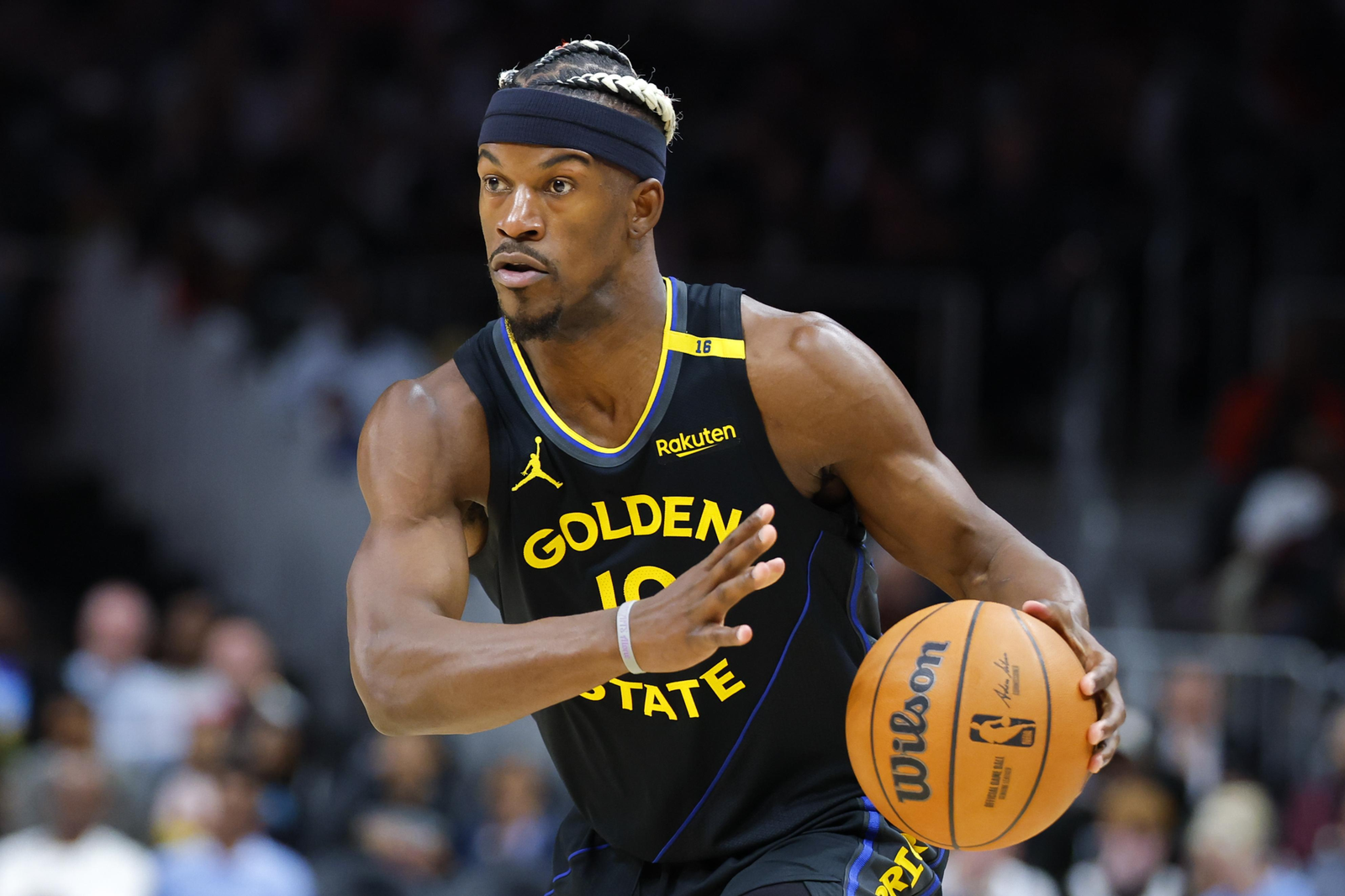
Early Life and Background of Jimmy Butler
Jimmy Butler, born on September 14, 1989, in Tomball, Texas, faced numerous challenges during his early life that shaped his character and aspirations. Growing up in a tumultuous family environment, Butler’s childhood was far from stable. His mother, who was a single parent, struggled to provide for him, and by the time he was just 13 years old, he was kicked out of his home. This difficult situation forced Jimmy to learn independence at an early age, as he moved from house to house, often relying on the kindness of friends and their families.
Despite these hardships, Butler showed an early passion for basketball, a sport that would eventually become a vital lifeline amid the chaos of his youth. He often found solace on the basketball court, where he could channel his frustrations and ambitions. It was in these moments of determination that he nurtured his love for the game, showcasing a natural talent that would later capture national attention. Butler’s resilience in overcoming a challenging upbringing only fueled his desire to excel in basketball.
As he honed his skills during high school at Tomball High School, Butler began to attract the interest of college scouts. His ability to persevere against the odds demonstrated a strong character, setting the stage for a successful path in sports. Following his graduation, he took a significant step by accepting a scholarship to Marquette University, which marked the beginning of his ascent in the competitive world of college basketball. Jimmy Butler’s early life serves as a testament to the notion that despite facing adversity, a commitment to one’s passion can pave the way for success.
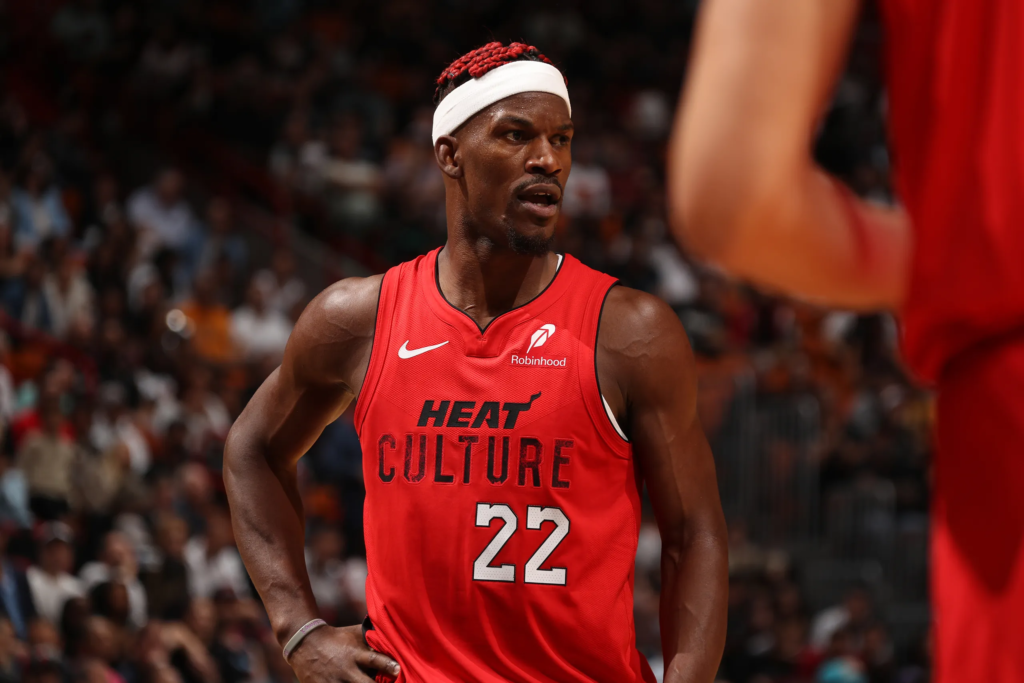
College Career and Entry into the NBA
Jimmy Butler’s journey to becoming an iconic basketball player began at Marquette University, where he honed his skills during his college career from 2008 to 2011. Initially, Butler faced significant challenges, as he had to prove himself among a competitive roster. His hard work and dedication paid off, as he quickly transitioned into a pivotal player for the Golden Eagles. Over his three years at Marquette, he averaged 15.7 points and 6.1 rebounds per game, showcasing his ability as both a scorer and a versatile forward.
One of Jimmy Butler’s most notable performances came during the 2010-2011 season, where he helped Marquette reach the Sweet Sixteen of the NCAA Tournament. Throughout the tournament, Butler demonstrated exceptional leadership and tenacity, particularly in a thrilling game against the University of North Carolina, where he scored a career-high 28 points. His ability to thrive in high-pressure situations further solidified his reputation as a clutch player.
Upon completing his college career, the next milestone for Jimmy Butler was entering the NBA. His journey to the professional league was marked by a challenging draft process, as he was not a certain lottery pick despite his impressive college statistics. Ultimately, Butler was selected as the 30th overall pick by the Chicago Bulls in the 2011 NBA Draft. Chicago saw potential in him not just for his scoring ability, but also for his work ethic and defensive skills. This marked the beginning of his professional career, setting the stage for his transformation into one of the premier players in the league.
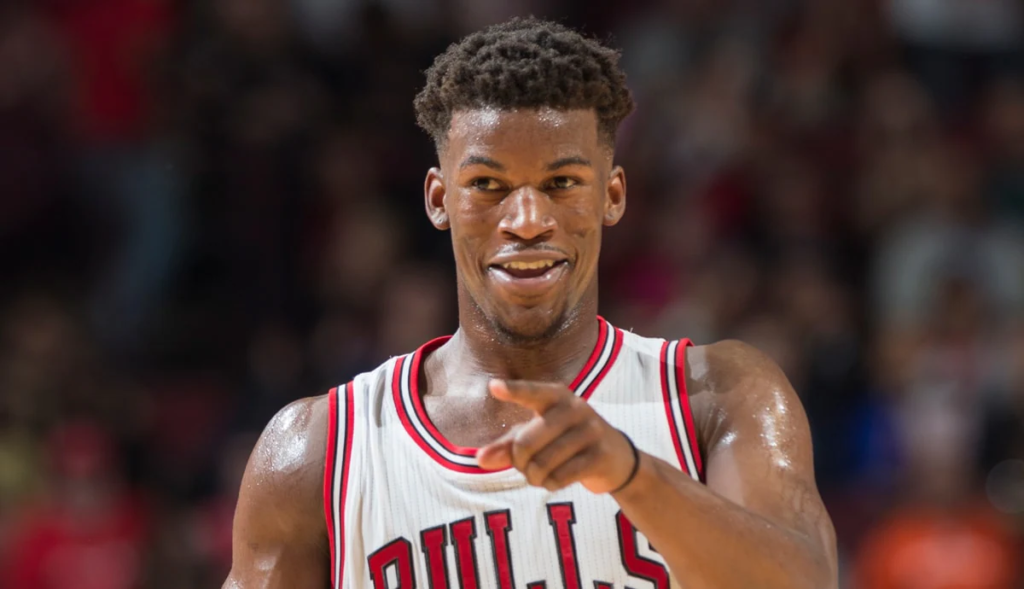
Professional Career Highlights
Jimmy Butler‘s professional basketball career is marked by noteworthy achievements and significant milestones that have underscored his evolution into an elite player. Drafted 30th overall by the Chicago Bulls in 2011, Butler quickly established himself as a reliable player, showcasing his defensive prowess and work ethic. During his tenure with the Bulls, he transformed from a raw talent into a three-time NBA All-Star, receiving the NBA Most Improved Player award in 2015, a testament to his dedication and skill development.
In Chicago, Butler was not only known for his scoring ability but also for his tenacity on defense, often guarding the opposing team’s best player. His standout performances included playoff runs that solidified his reputation; notably, in the 2016 playoffs, Butler helped lead the Bulls to a victory over the Boston Celtics with a memorable triple-double. However, his time with the Bulls ended in 2017 when he was traded to the Minnesota Timberwolves. This move marked a new chapter in his career, where Butler continued to demonstrate his leadership and resilience, earning another All-Star selection in 2018.
Butler’s journey took another turn when he was traded to the Philadelphia 76ers, where he played a pivotal role in the team’s success during the 2019 playoffs. His impact was profound, especially in a memorable game against the Toronto Raptors, where he scored 30 points, showcasing his clutch performance in critical moments. Currently, with the Miami Heat, Butler has led the team to the NBA Finals in 2020, further establishing himself as a player who thrives under pressure. Throughout his career, Jimmy Butler has accumulated impressive statistics, with career averages of over 20 points per game, illustrating his scoring ability and all-around game.
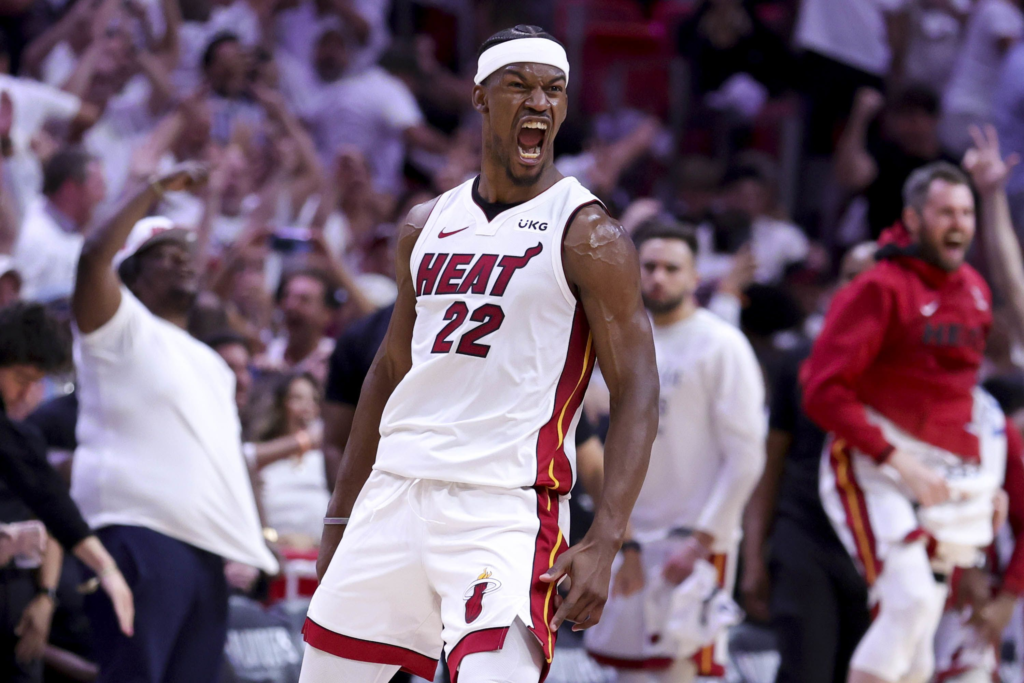
Jimmy Butler’s Impact on and Off the Court
Jimmy Butler has developed into a significant force in the realm of professional basketball, not only through his exceptional skills but also via his leadership qualities and commitment to the community. As a player, Butler exemplifies a work ethic that is second to none. His relentless pursuit of excellence on the court has inspired countless teammates and fans, elevating the performance levels of those around him. This dedication to improvement is evident in his rigorous training regimen and his unwavering focus during games, making him a role model for aspiring athletes.
In addition to his on-court achievements, Jimmy Butler is recognized for his strong leadership style. He has the unique ability to rally his teammates, fostering a sense of unity and collective responsibility among players. Butler’s influence is often seen in how he encourages younger teammates to step up their game while emphasizing the importance of collaboration. This creates a supportive environment where each player feels valued, ultimately contributing to the overall success of the team.
Moreover, Butler’s contributions extend beyond basketball. He has become an advocate for social justice and has actively participated in various charitable initiatives. His efforts to raise awareness on critical social issues demonstrate his commitment not only to his community but also to making a positive impact in the world. This activism not only aligns with his values but also connects him to fans who appreciate athletes who use their platform for meaningful change. Overall, Jimmy Butler is more than just an elite basketball player; he represents a beacon of hope and motivation, both on and off the court.
