



The History of Bayern Munich
Bayern Munich, officially known as Fußball-Club Bayern München e. V., traces its roots back to the year 1900. It was in Munich where a group of 11 football enthusiasts conducted a meeting at a local restaurant, leading to the establishment of the club. The founding members aimed to create a space for enjoying football, which, at the time, was rapidly gaining popularity across Germany. They faced challenges initially, such as competing with other sports clubs for the players’ commitment, but through dedication and passion, Bayern Munich began to flourish.
During its early years, Bayern Munich competed in regional leagues, which laid the groundwork for future success. The team’s first major achievement came in 1932 when they secured the German championship, marking a significant milestone in the club’s history. This victory not only cemented Bayern Munich’s status in German football but also showcased their potential on a larger stage.
The club’s evolution took a dramatic turn post-World War II. In 1945, Bayern Munich was re-established, and soon after the club joined the newly formed Oberliga Bundesliga, which was crucial in gaining traction in post-war German football. The late 1960s and early 1970s proved to be transformative as Bayern Munich won their first European Cup in 1974, establishing itself as a key player in European competitions. Under the guidance of legendary figures like Franz Beckenbauer, Bayern Munich consistently showed exceptional talent and skill.
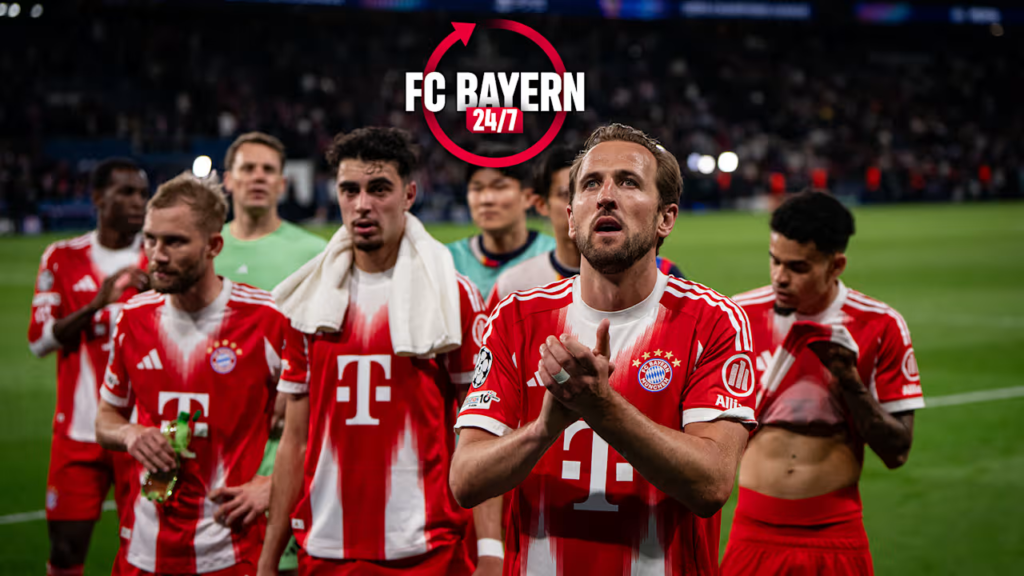
Over the decades, Bayern Munich evolved not only as a competitive football team but also as a global brand. The club’s commitment to excellence, both on and off the field, has led to a legacy that continues to influence football culture. Today, Bayern Munich stands tall as one of the most successful football clubs in history, with numerous domestic and international titles to its name, symbolizing its rich and illustrious past.
Bayern Munich’s Achievements and Records
Bayern Munich, one of the most prestigious football clubs in the world, has an impressive history of achievements that showcase its dominance in both domestic and international competitions. Established in 1900, the club has enjoyed significant success, particularly in the Bundesliga, where it has won the title an astonishing 32 times, making it the most decorated club in Germany. Known for its relentless pursuit of excellence, Bayern Munich has captured the DFB-Pokal on 20 occasions, solidifying its reputation as a formidable force in German football.
In addition to its domestic successes, Bayern Munich also shines on the European stage. The club has claimed the UEFA Champions League title six times, with its most recent triumph occurring in the 2019-2020 season. This victory was particularly significant as Bayern Munich accomplished the remarkable feat of winning the tournament without losing a single match, often referred to as the “perfect” campaign.
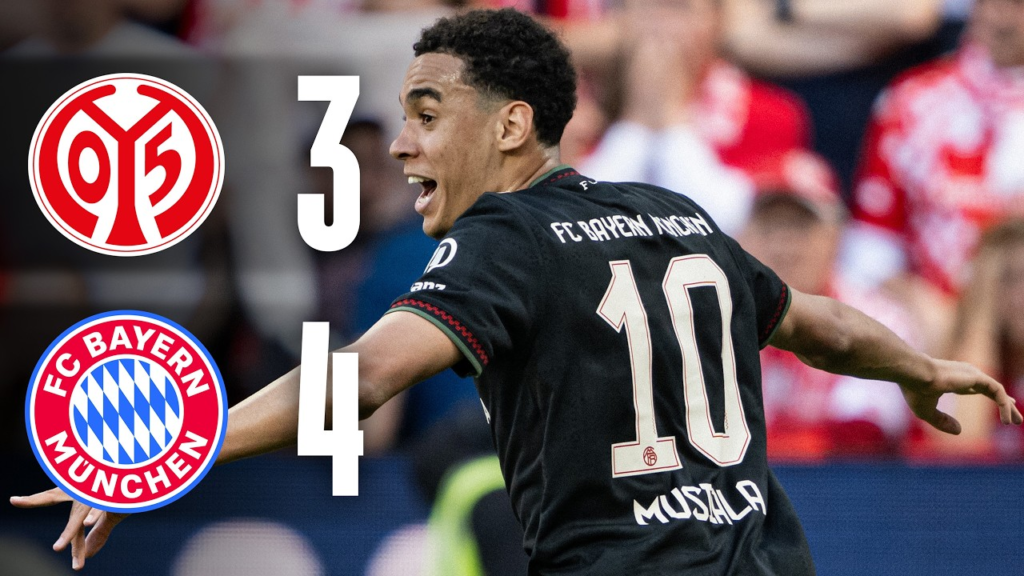
Furthermore, Bayern Munich’s record in the UEFA Super Cup highlights its international prowess, having secured this title on multiple occasions. The club was also the first German team to achieve success in the FIFA Club World Cup, winning it in 2020, thus positioning itself as a global powerhouse in football.
Throughout its history, Bayern Munich has been home to numerous legendary players, such as Franz Beckenbauer, Gerd Müller, and Philipp Lahm, who have contributed to the club’s illustrious achievements. Their influence resonates both on and off the pitch, inspiring future generations of athletes. Additionally, Bayern Munich’s commitment to nurturing local talent through its youth academy continues to bolster the club’s success, ensuring a bright future.
In conclusion, Bayern Munich’s accolades and significant records not only highlight the club’s rich legacy but also cement its status as a leader in world football, defining excellence in every competition it undertakes.
Key Players and Legends of Bayern Munich
Bayern Munich has long been celebrated for its rich history, largely attributed to its iconic players who have graced the pitch wearing the red and white jersey. One of the most prominent figures in the club’s illustrious past is Franz Beckenbauer, affectionately known as “Der Kaiser.” His versatility on the field and tactical intelligence allowed him to excel as both a defender and midfielder. Beckenbauer not only led Bayern to numerous Bundesliga titles but also played a pivotal role in securing the 1974 FIFA World Cup for West Germany, thus solidifying his legacy as one of the greatest defenders in football history.
Another standout in the annals of Bayern Munich is Gerd Müller, an unmatched goal-scoring phenomenon. Known for his uncanny ability to find the back of the net, Müller holds the record for the most goals in a single Bundesliga season, a feat that still remains unbroken. His playing style was characterized by remarkable positioning and lethal finishing, attributes that endeared him to fans and earned him the nickname “Der Bomber.” Across his tenure, Müller helped the club secure multiple Bundesliga championships and was instrumental in the triumphs of the European Cup.
In more recent times, Robert Lewandowski has emerged as a defining figure in Bayern Munich’s modern era. With an impressive scoring record and exceptional technical skills, Lewandowski has continued the club’s rich tradition of incredible strikers. He played a crucial role in steering Bayern to numerous domestic titles and displayed extraordinary performances in the UEFA Champions League, ultimately culminating in a historic treble in 2020. The impact of Lewandowski, alongside those of his legendary predecessors, highlights the continuous evolution and strength of Bayern Munich as a dominant force in football.
The Culture and Fanbase of Bayern Munich
Bayern Munich, one of the most successful football clubs in Germany and Europe, boasts a remarkably passionate culture that is mirrored by its dedicated fanbase. The relationship between Bayern and its supporters transcends mere fandom; it incorporates a collective identity and deep-seated traditions that have been woven into the fabric of the local and national community.
The atmosphere at the Allianz Arena, Bayern Munich’s home stadium, is a defining characteristic of the club’s culture. The stadium, often referred to as the “Arena of Light,” can accommodate over 75,000 spectators, and on match days, it transforms into a sea of red and white. The energy is palpable, with fans engaging in synchronized chants, showcasing banners, and displaying their unwavering support for the team. This electric environment not only lifts the players but also creates an unforgettable experience for all attendees, ensuring that every match feels monumental.
Bayern Munich actively promotes engagement with its supporters, leveraging modern technology and social media platforms to maintain a vibrant connection with fans worldwide. Initiatives such as open training sessions, community events, and various outreach programs reinforce the club’s commitment to its supporters. Furthermore, Bayern honors its history by involving seasoned fans in decision-making processes and events, which fosters a sense of belonging and appreciation among the community.
Beyond the matchday experience, the club’s influence extends to charitable activities and youth development programs, reflecting its dedication to enriching the lives of those in the local area. Through these efforts, Bayern Munich cultivates an inclusive environment that reinforces loyalty among its supporters, creating a strong, interconnected network that celebrates both the club and its rich heritage.
