


What is the Bundesliga?
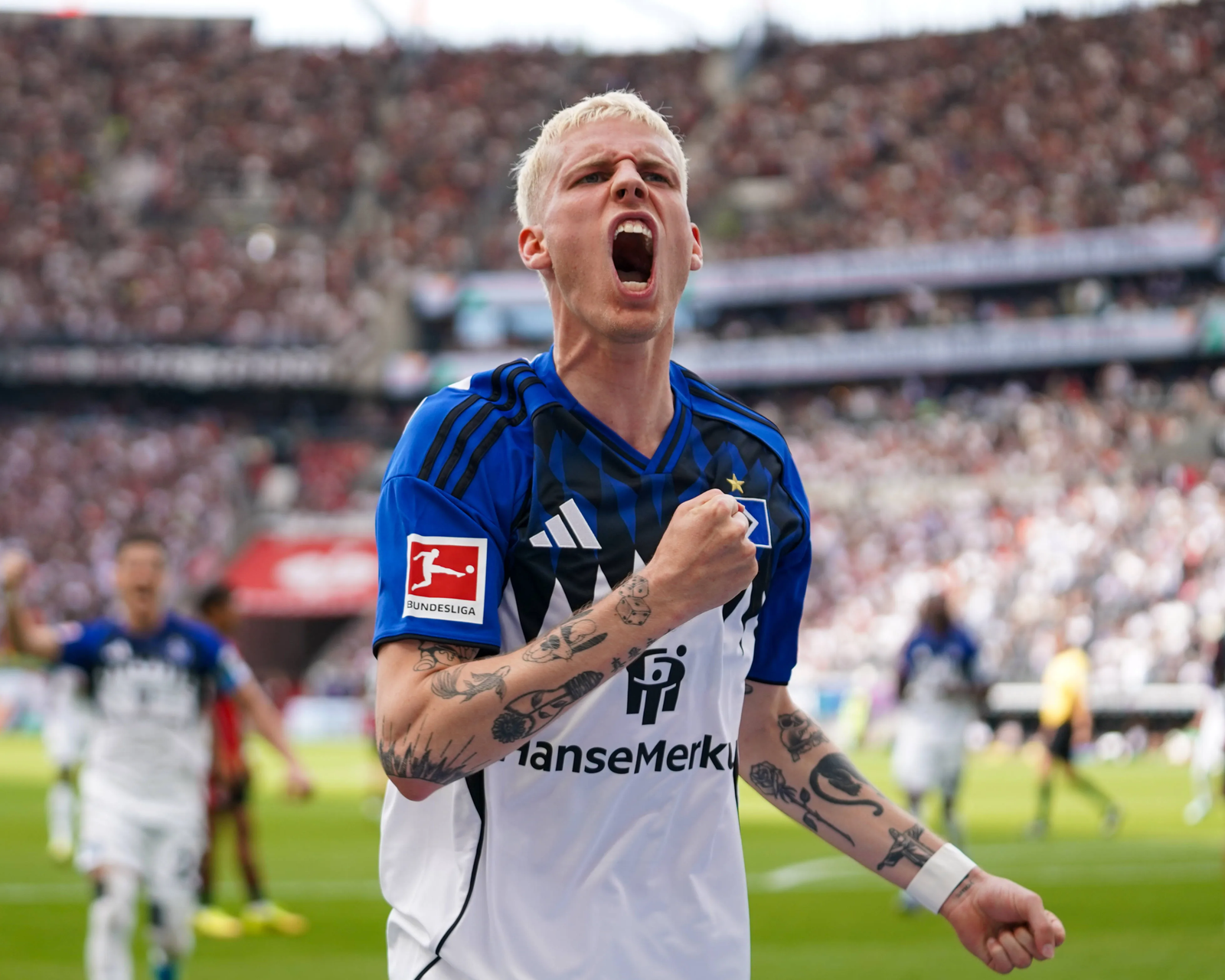
The Bundesliga is the premier professional football league in Germany, renowned for its competitive nature and passionate fan base. Established in 1963, the league has evolved significantly, becoming one of the most prestigious football associations in the world. Traditionally, it consists of 18 teams that compete annually for the title of national champion. The structure of the league ensures a high level of competition, as teams play each other in a round-robin format, with matches taking place both home and away.
Each season typically runs from August to May, culminating in a series of thrilling matches where teams vie for points, aiming for the coveted champions’ title. The club with the most points at the conclusion of the season is declared the Bundesliga champion. Additionally, the league features promotion and relegation; the bottom teams are relegated to the second tier, while the top teams from that division gain promotion, ensuring a dynamic and evolving league structure.
The Bundesliga holds a significant place in German sports culture, reflecting the country’s footballing traditions and values. It not only gathers massive audiences within Germany but also attracts international viewers, contributing to its global prominence. Clubs such as Bayern Munich and Borussia Dortmund have achieved great success, both domestically and in European competitions, further enhancing the league’s reputation. The enthusiastic support from fans and the distinct atmosphere of Bundesliga matches represent a core aspect of German football culture, making it a vital part of the nation’s identity.
Key Features of the Bundesliga
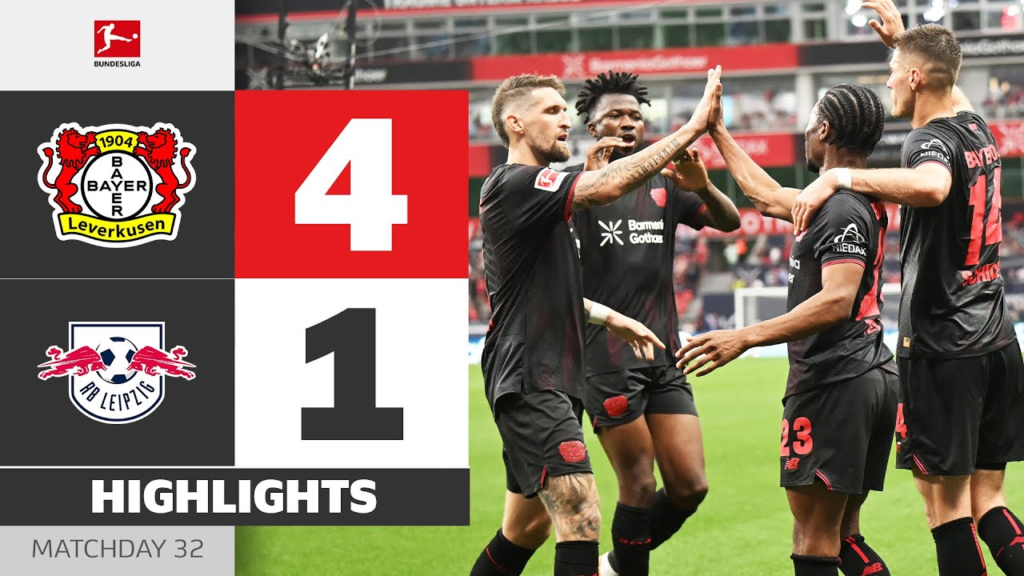
The Bundesliga, Germany’s premier football league, is characterized by several distinctive features that collectively create a compelling footballing experience. One of the most striking aspects of the Bundesliga is its vibrant fan culture. The league boasts some of the highest average attendances in the world, with passionate supporters filling stadiums each week. This tight-knit relationship between fans and clubs fosters an environment that is charged with emotion and camaraderie, making match days truly special occasions.
Another defining feature of the Bundesliga is its commitment to youth development through robust academies. Clubs prioritize nurturing homegrown talents, with many top teams investing heavily in youth setups. This focus on developing young players has resulted in a steady influx of skilled athletes into the league, which not only benefits the clubs but also enhances the competitive landscape of German football. Many Bundesliga clubs are renowned for producing future stars who eventually shine on the global stage, further elevating the league’s prestige.
Financial sustainability is also a cornerstone of the Bundesliga’s operational model. Unlike in some other top leagues, German clubs abide by the 50+1 rule, which ensures that club members maintain majority control over the club, thereby prioritizing long-term stability over short-term profits. This model encourages sound financial practices among clubs, leading to a healthier ecosystem where competitiveness is key.
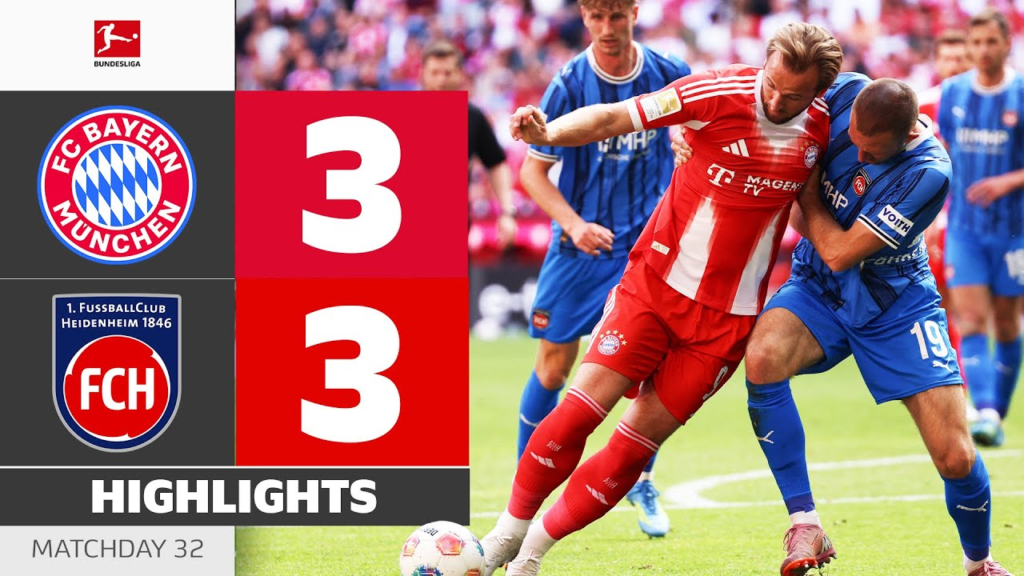
Additionally, the Bundesliga emphasizes competitive balance, which ensures that multiple clubs have authentic chances to vie for the championship title. This parity is pivotal in maintaining audience interest and involves a range of factors such as revenue sharing and limited outside investment influence. The league’s infrastructure also contributes to this parity by providing impressive stadiums, known for their fantastic atmosphere, where home and away fans create an electrifying backdrop to the action on the pitch.
Notable Teams and Players in Bundesliga History
The Bundesliga has long been recognized as one of the most competitive and thrilling football leagues in the world. At the forefront of this illustrious league are several notable teams that have consistently performed at a high level. Bayern Munich, a club with a rich history and an enviable record, has established itself as the dominant force in German football. With numerous league titles to their name, Bayern has not only achieved domestic success but has also excelled on the European stage, claiming multiple UEFA Champions League titles.
Another significant team that has left an indelible mark on Bundesliga history is Borussia Dortmund. Known for their passionate fan base and vibrant yellow-and-black colors, Dortmund has achieved considerable success since their inception. Their achievements in the Bundesliga and their thrilling style of play have captured the imagination of football fans worldwide. Notable moments from their history include their Champions League triumph in 1997 and their memorable performances during the late 2010s.
The Bundesliga has also been home to numerous legendary players who have made significant contributions to their clubs and the league itself. Franz Beckenbauer, often referred to as one of the greatest footballers of all time, was instrumental in Bayern Munich’s success during the 1970s, revolutionizing the role of the sweeper with his elegant playing style. Additionally, players such as Gerd Müller, who holds the record for the most goals in a single Bundesliga season, have solidified their legacies within the league.
More recently, players like Marco Reus and Robert Lewandowski have left their mark in the Bundesliga. Lewandowski, known for his incredible goal-scoring ability, has broken several records and won multiple league titles with Bayern Munich. Their performances reflect the league’s ability to nurture world-class talent and captivate audiences, ensuring that the Bundesliga remains a pillar of professional football.
The Future of the Bundesliga
The Bundesliga is entering an exciting phase as it charts its course towards an expansive future. With its reputation as one of the leading football leagues in Europe, the Bundesliga has the potential to broaden its global footprint significantly. Increasing television rights deals and strategic partnerships with foreign clubs and sponsors could play a pivotal role in promoting the league internationally. The model of fan engagement that Bundesliga clubs have adopted has also inspired other leagues, which further enhances its influence on global football.
Moreover, as teams in the Bundesliga continue to produce homegrown talent, the league is expected to maintain its competitive edge. German clubs are known for investing in youth academies, which have become crucial in developing players who often rise to international acclaim. However, the retention of these burgeoning talents poses a challenge. Top clubs from wealthier leagues often lure promising players away, creating a dilemma for Bundesliga teams that strive for both financial sustainability and competitive success.
Financial sustainability is another significant aspect of the Bundesliga’s future. Unlike some other major leagues, German clubs are mandated by the “50+1” rule, which ensures that the majority ownership remains with club members. While this model promotes stability, it can also hinder the clubs’ ability to generate the capital that rival leagues might use to attract star players. Therefore, clubs must find a balance between remaining financially responsible and investing in resources necessary for success on the European stage.
Overall, while the Bundesliga faces challenges, its commitment to quality football, fan engagement, and youth development positions it favorably. As the league continues to evolve and adapt, its future promises to be both dynamic and influential in guiding the international football landscape.
