


Early Life and Career Beginnings
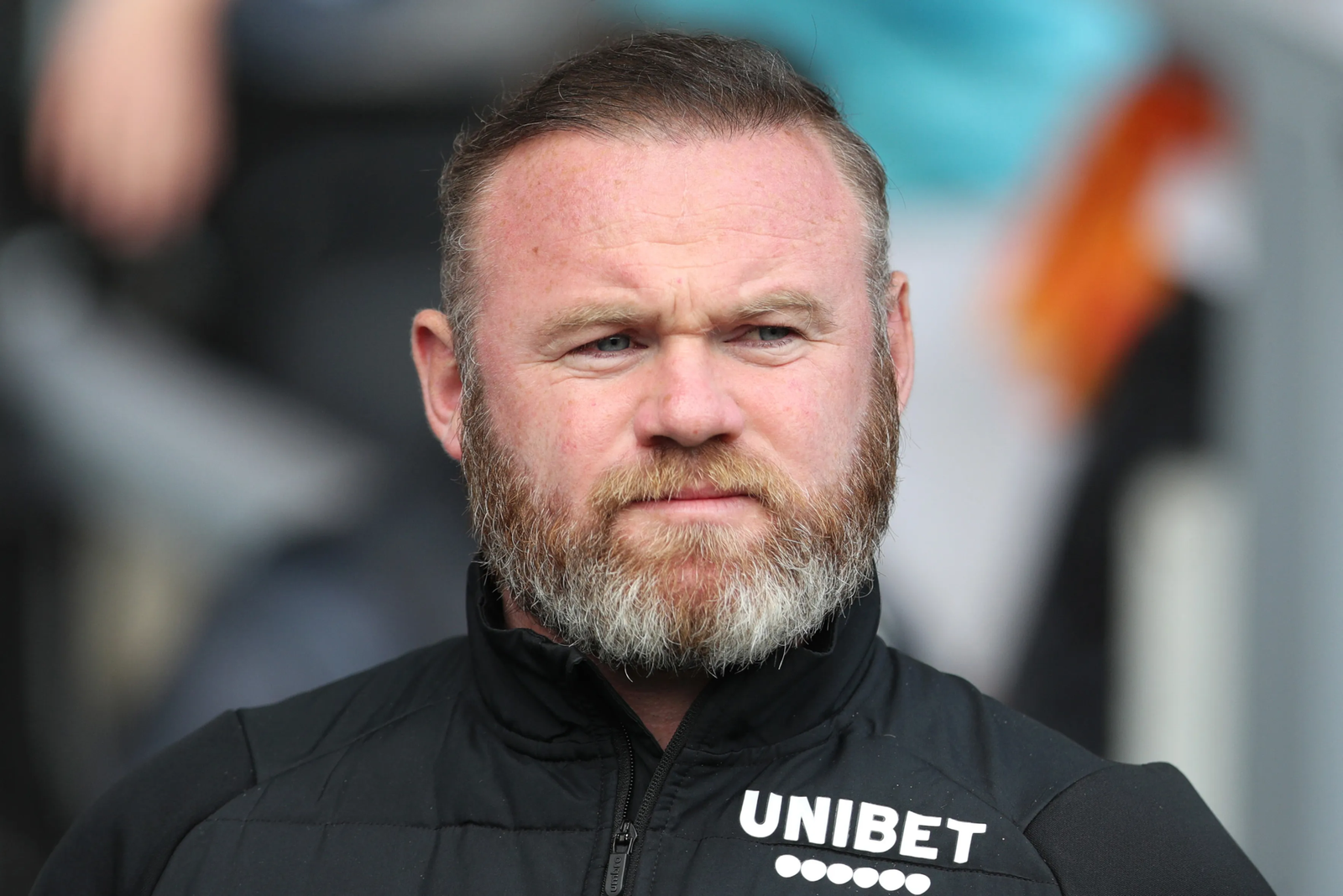
Wayne Rooney, born on October 24, 1985, in Croxteth, Liverpool, emerged from a working-class background that significantly shaped his early life and his passion for football. Growing up in a vibrant community, Rooney’s introduction to the sport began at a tender age. His father, a former footballer himself, played an instrumental role in nurturing his early passion.
Rooney began playing for the local youth team, Croxteth, where his talent quickly became apparent. His remarkable ability to control the ball, tactical awareness, and goal-scoring prowess set him apart from his peers. As a young boy, these attributes did not go unnoticed, and by the time he was just 10 years old, he had joined one of Liverpool’s most prestigious football academies, Everton. This pivotal move marked the beginning of Rooney’s journey toward professional football.
As he progressed through the Everton youth system, Rooney consistently demonstrated exceptional skill on the pitch. He made his debut for the club’s senior team at the age of 16, becoming the youngest goalscorer in Premier League history at that time. This milestone not only highlighted his potential but also captured the attention of football fans and scouts alike.
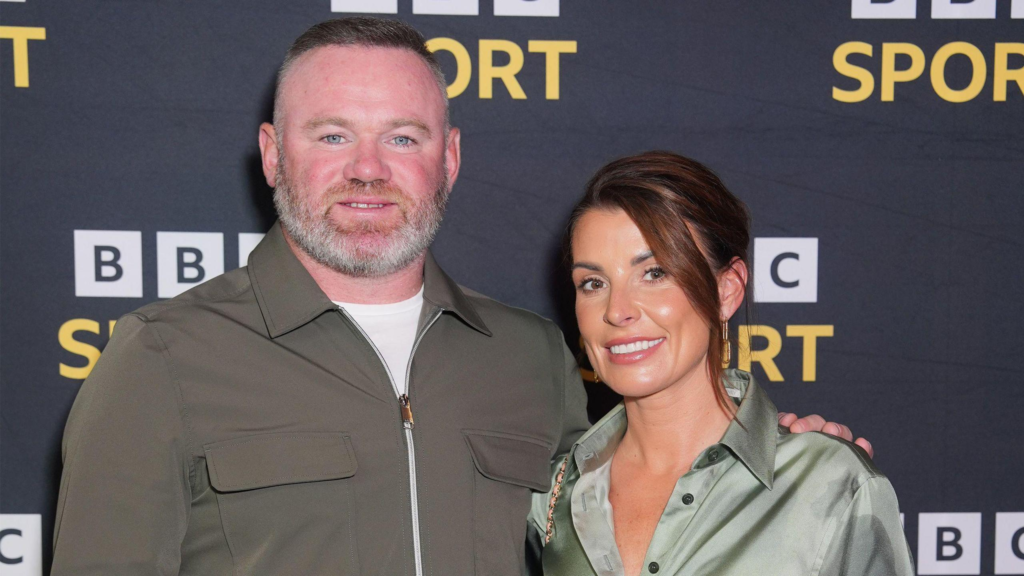
His early success was complemented by his influential performances in youth competitions, where he dominated the scene and showcased his innate ability to find the back of the net. As Wayne Rooney’s reputation grew, it became clear that he was destined for greatness. Motivated by his upbringing and surrounded by the rich culture of football in Liverpool, Rooney honed his skills, laying the foundation for what would become a legendary career in the world of football.
Rise to Stardom: Playing for Manchester United
Wayne Rooney’s transition to Manchester United marked the beginning of a remarkable chapter in his football career. Joining the club in 2004 from Everton, Rooney made an immediate impact, with his debut match showcasing his extraordinary talent. Scoring two goals in a Champions League encounter against Fenerbahçe at just 18 years old, he quickly established himself as a rising star within the team.
Throughout his tenure at Manchester United, which spanned over 13 years, Rooney participated in numerous significant matches that contributed to his legacy. One of his most memorable performances occurred during the Manchester derby in 2011, where he executed a spectacular bicycle kick, securing a critical victory for United. This goal has since been etched into the club’s folklore, highlighting not only his skill but also his ability to perform in high-pressure situations.
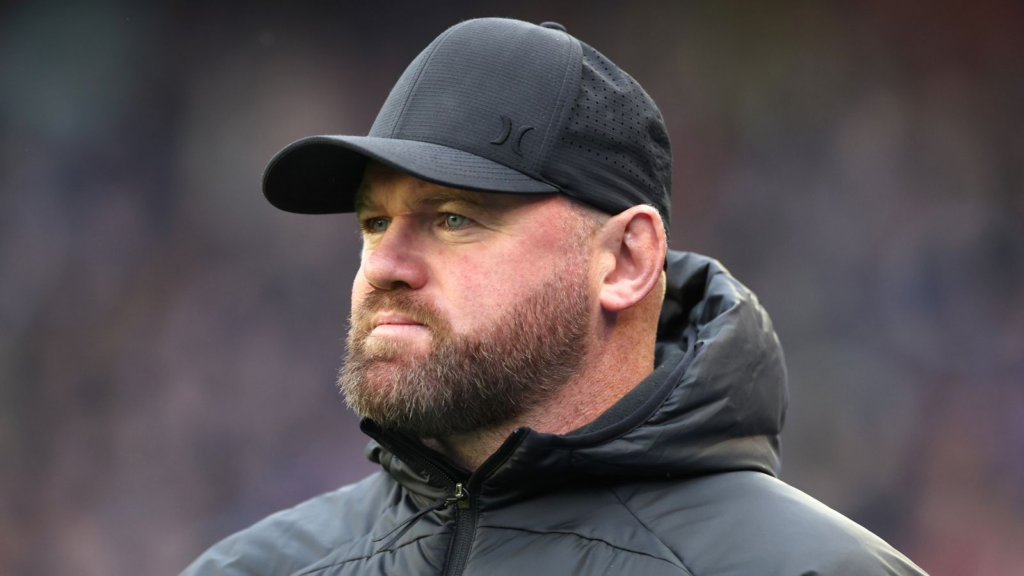
During his time with the Red Devils, Rooney set multiple records that solidified his status as a club legend. He became United’s all-time leading goal scorer, surpassing Sir Bobby Charlton’s long-standing record with a total of 253 goals. In addition to his individual accolades, Rooney played a pivotal role in securing numerous major trophies, including five Premier League titles, one FA Cup, three League Cups, and the prestigious UEFA Champions League trophy in 2008.
As Rooney evolved from a young prodigy to a seasoned striker, he adapted his playing style to meet the demands of different seasons and tactical setups. His versatility allowed him to operate effectively in various attacking roles, contributing not only to his goal tally but also aiding his teammates in achieving collective success. Moreover, his deep connection with the fans created a legacy of admiration and loyalty that remains a cornerstone of his career at Manchester United.
International Career: Representing England
Wayne Rooney made his international debut for the England national team on February 12, 2003, at the tender age of 17. He entered the pitch against Australia, demonstrating his exceptional talent and promise. From that moment, Rooney established himself as a crucial player for England, showcasing remarkable skill and determination in numerous international fixtures.
Over the years, Rwayne rooney performances in major tournaments caught the world’s attention. Notable among them was his contribution during the 2004 UEFA European Championship, where he achieved a remarkable feat by scoring four goals, ultimately securing his place as one of the tournament’s standout players. Additionally, during the 2010 FIFA World Cup, his role was pivotal, although the tournament ended in disappointment for the Three Lions, marking one of the challenges he faced on the international stage.
Throughout his international career, wayne rooney faced both challenges and triumphs. He was part of the squad for multiple World Cups and European Championships, where England often struggled to advance beyond the quarter-finals. Despite the team’s difficulties, Rooney’s commitment never wavered, and he remained a central figure through various management changes and team dynamics. His ability to adapt and evolve ensured that he continued to be selected, ultimately earning him a total of 120 caps for his country.
Perhaps the most significant achievement in wayne rooney international career is his record as England’s all-time leading scorer. He surpassed the previous record held by Sir Bobby Charlton, amassing 53 goals during his international tenure. This milestone not only cements his legacy as one of the greatest English footballers but also reflects the deep connection he forged with the national team and its supporters. Through both the highs and lows of his international journey, Wayne Rooney has left an indelible mark on English football.
Legacy and Post-Retirement Endeavors
wayne rooney legacy in the football world is undeniably profound. Over his illustrious career, he became one of the most celebrated players in Premier League history, leaving a mark that transcends mere statistics. His ability to inspire the next generation of footballers is perhaps one of his greatest contributions to the sport. Young athletes look up to Rooney not only for his incredible talent but also for his tenacity and dedication, qualities that define a true football legend.
Following his retirement, wayne rooney did not shy away from the limelight of football but instead embraced opportunities that would allow him to influence the sport further. His transition into coaching began with roles at club level, where he offered mentorship to younger players. Rooney’s insights, derived from years of top-flight experience, are invaluable for those aspiring to reach similar heights in their careers.
wayne rooney appointment as manager of Derby County exemplifies his dedication to shaping future generations in football. His managerial style combines traditional coaching techniques with modern strategies, aiming to develop players on and off the pitch. By entering the management arena, Rooney reinforces his lifelong commitment to football and enhances the tactical acumen that he is known for.
Moreover, wayne rooney endeavors extend beyond the football pitch. He is involved in various charitable initiatives and community engagements, using his platform to address social issues and support youth development programs. This multifaceted approach not only highlights his role as a mentor but also exemplifies a commitment to contributing to society through football.
In summary, Wayne Rooney’s legacy is not limited to his accomplishments as a player. His influence continues to shape the culture of football through coaching, mentorship, and community outreach, ensuring that his impact will be felt for generations to come.
