


Introduction to Roundup
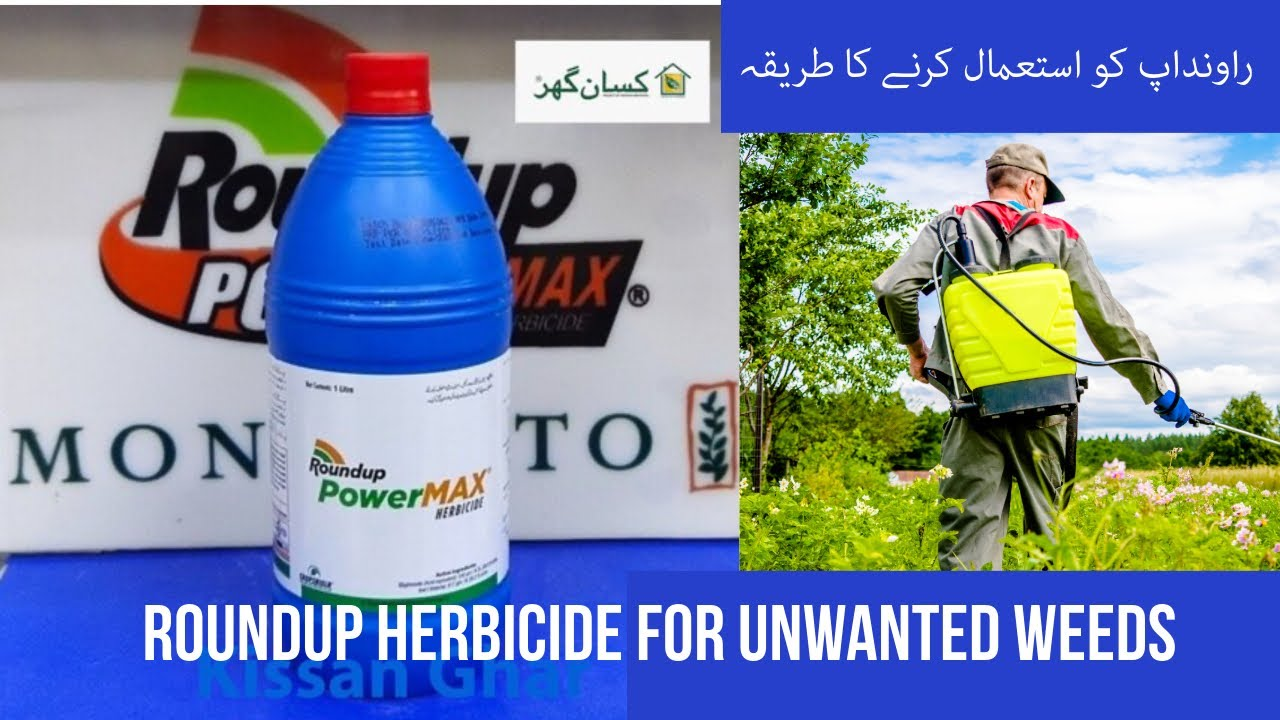
Roundup is one of the most widely used herbicides in the world, primarily recognized for its active ingredient, glyphosate. Developed initially by Monsanto in the 1970s, Roundup has transformed agricultural practices by providing a powerful solution for weed management. Its effectiveness and versatility have made it a staple for both large-scale farmers and home gardeners.
The primary function of Roundup is to control unwanted vegetation by targeting and inhibiting the growth of plants that compete with crops for resources. Glyphosate works by disrupting a specific biochemical pathway found in plants and some microorganisms, known as the shikimic acid pathway. This process ultimately leads to plant death, particularly affecting the growth and reproduction of weeds difficult to manage through traditional means.
Roundup’s applications are diverse, spanning a range of agricultural crops such as soybeans, corn, and cotton, along with non-crop areas, including pathways, parks, and home gardens. Due to the introduction of genetically modified crops that are resistant to glyphosate, the herbicide can be applied with relative ease, allowing farmers to control weeds without harming their crops. Furthermore, Roundup is favored in no-till farming systems, as it enables growers to minimize soil disruption while managing weed populations effectively.
However, while Roundup has become synonymous with modern farming practices, it is essential to consider its usage carefully. The impact of glyphosate and its long-term effects on health and the environment have sparked significant debate among scientists, regulators, and the public. This complexity underscores the need for a balanced understanding of both the benefits and the risks associated with using Roundup in various contexts.
The Benefits of Using Roundup
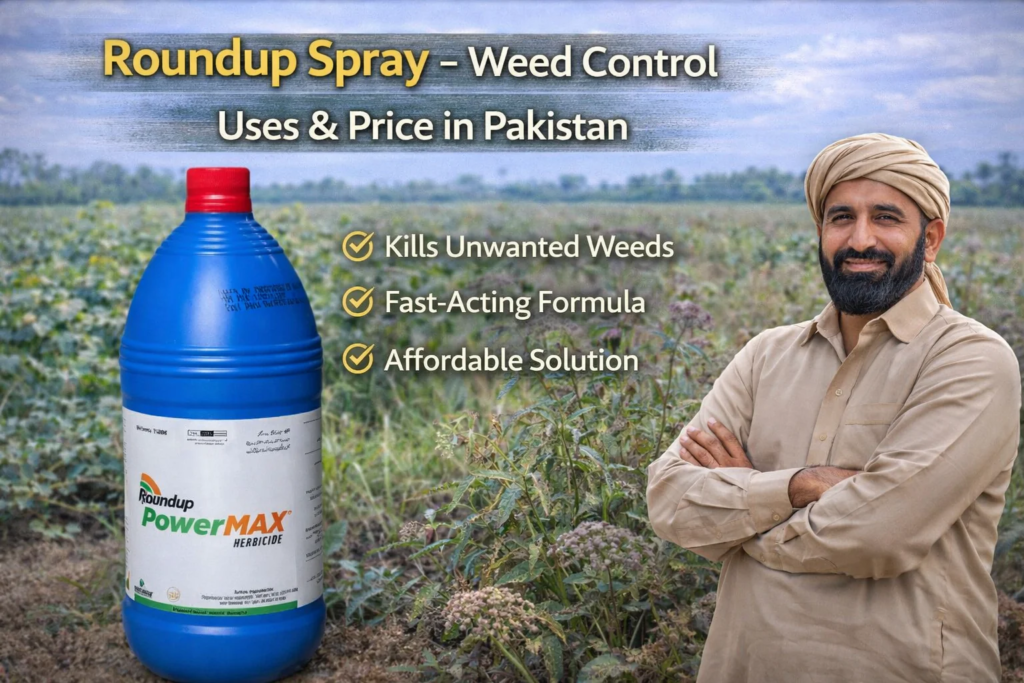
Roundup, a herbicide that contains glyphosate, has garnered recognition in the agricultural sector due to its effectiveness in weed control. One of the most notable advantages of utilizing Roundup in farming and gardening is its ability to target a wide range of unwanted plants, thereby maintaining the integrity of cultivated crops. With the application of Roundup, farmers can efficiently manage weed populations, preventing competition for vital resources such as water, nutrients, and sunlight, which in turn supports healthier crop growth.
Furthermore, the integration of Roundup into farming practices is known to significantly increase crop yields. By effectively controlling weeds without requiring extensive manual labor, farmers can allocate more time and resources towards enhancing other aspects of their agricultural operations. Studies have shown that the consistent use of Roundup can lead to improved overall productivity, as healthier crops are more resilient against pest pressures and environmental stresses.
In addition to its weed control attributes, Roundup supports labor-saving practices particularly relevant in contemporary agricultural systems. The use of this herbicide enables farmers to adopt no-till farming methods, which have become increasingly popular due to their numerous benefits. No-till farming not only helps to reduce soil erosion but also improves soil health by maintaining its structure and promoting microbial diversity. Consequently, the integration of Roundup into these practices assists in making farming more sustainable and efficient, while also decreasing the overall labor necessary for crop production. This shift towards less intensive farming practices represents a significant advancement in achieving long-term agricultural sustainability and efficiency.
Health and Environmental Concerns
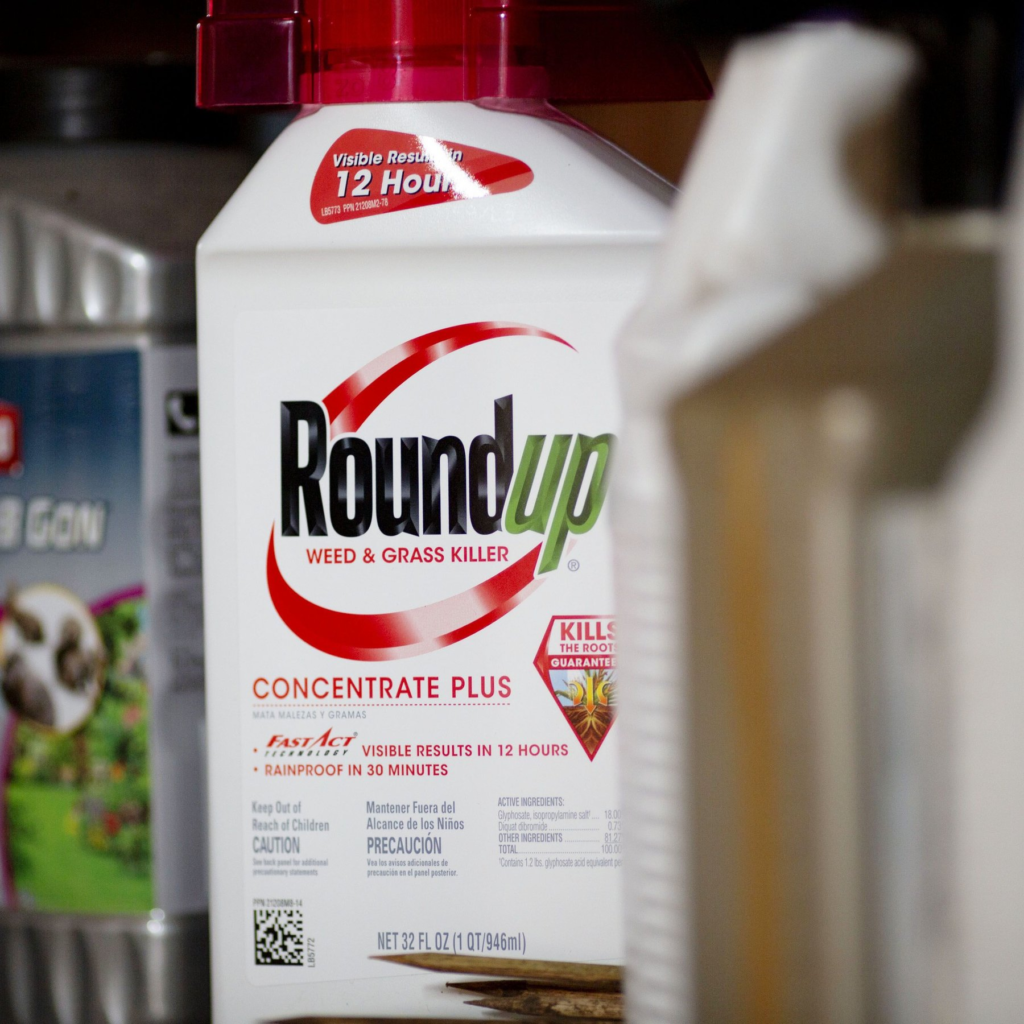
Roundup, a widely used herbicide containing the active ingredient glyphosate, has sparked considerable debate regarding its effects on health and the environment. Numerous scientific studies have sought to evaluate the potential health risks associated with glyphosate exposure. Some research has suggested a possible link between glyphosate and certain types of cancers, leading to heightened public concern and calls for regulatory scrutiny. Notably, the International Agency for Research on Cancer (IARC) classified glyphosate as “probably carcinogenic in humans” based on animal studies and sufficient evidence of carcinogenicity in animals.
Regulatory bodies around the world have provided varying assessments of glyphosate’s safety. The Environmental Protection Agency (EPA) in the United States, along with several other agencies globally, has maintained that when used according to label instructions, glyphosate does not pose a significant risk to human health. However, public opinion often diverges from these assessments, with growing numbers of consumers advocating for restrictions or bans on glyphosate use.
Beyond human health concerns, the application of Roundup raises questions about its impact on biodiversity and ecosystems. Research indicates that glyphosate may adversely affect non-target species, including beneficial insects, birds, and aquatic organisms. The widespread use of this herbicide can lead to a decline in plant biodiversity, which is essential for maintaining balanced ecosystems. As glyphosate-resistant crops proliferate, there is also a potential for herbicide-resistant weeds, creating a vicious cycle that could necessitate even more potent chemical solutions.
These environmental implications underscore the need for a cautious approach toward the continued use of Roundup, emphasizing the importance of further research, regulatory assessments, and sustainable agricultural practices to mitigate potential risks to health and the natural world.
Alternatives to Roundup and Best Practices
As awareness of the potential risks associated with Roundup grows, there is an increasing interest among gardeners and farmers to explore alternative weed control methods and sustainable practices. One of the most favored alternatives is the use of organic herbicides. These products are derived from natural sources and can effectively target weeds without the harmful effects associated with synthetic chemicals. Examples include acetic acid, which is found in vinegar, and clove oil, both of which can disrupt the physiological processes of unwanted plants.
Another effective method of weed control is manual weeding. This practice may be labor-intensive, but it is one of the safest options, particularly in home gardens and smaller agricultural settings. Regular maintenance through hand-pulling weeds or using tools such as hoes and cultivators can significantly reduce weed populations while promoting soil health.
Additionally, integrated pest management (IPM) strategies offer a holistic approach to controlling weeds. This involves a combination of cultural, mechanical, biological, and chemical controls tailored to the specific context of the garden or farm. Crop rotation, for example, can disrupt the life cycles of weeds, while the use of cover crops can inhibit weed growth by outcompeting them for resources.
Practicing mulching is another beneficial method that can provide substantial weed suppression. Organic mulches, such as straw, wood chips, or bark, can block sunlight from reaching weed seeds, thus preventing their germination. This has the added benefit of improving soil quality and retaining moisture.
In conclusion, there are numerous alternatives to Roundup that promote sustainable gardening and farming practices. By integrating organic herbicides, manual weeding, and IPM strategies, individuals can effectively manage weeds while minimizing environmental risks and promoting a healthier ecosystem.
